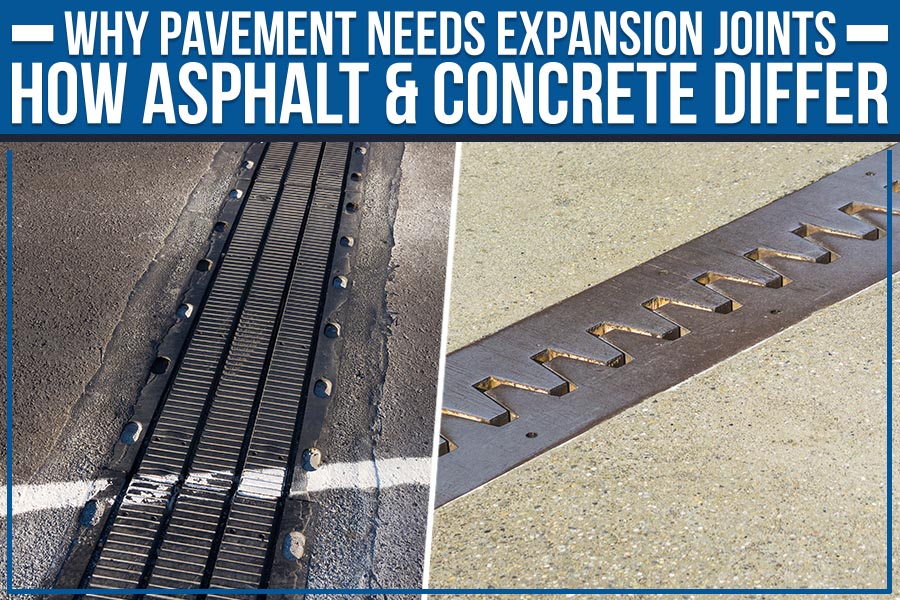
If you’ve ever driven over a bridge, you may have noticed the significant gaps between the concrete slabs. Their purpose is to allow the bridge to expand and contract without cracking. The same principle applies to the pavement; if it doesn’t have room to grow, it will crack under pressure. Bay Country Contractors will discuss why pavement needs expansion joints and how asphalt and concrete differ in this respect.
Expansion Joints in Pavement
Pavement is a vital part of our infrastructure, and it needs to be maintained to ensure its longevity. A critical aspect of pavement maintenance is expansion jointing. Without expansion joints, asphalt pavement and concrete pavement would be susceptible to cracking in extreme temperature changes. So if you see a crack in your pavement, there’s likely an expansion joint nearby. And if you’re paving a new driveway or sidewalk, be sure to include expansion joints every few feet. Read on to find the difference in expansion and contraction capabilities of asphalt and concrete surfaces.
Asphalt Pavement
Asphalt forms a flexible pavement, meaning that it is designed to expand and contract with temperature changes. It is why you’ll often see cracks in asphalt during the winter. The expansion and contraction of asphalt occur due to bitumen, a substance that becomes more pliable when it’s warm and more rigid when it’s cold.
You’ve probably seen the cracks between sections of pavement that are filled with a material like asphalt or rubber. While it may not look pretty, it serves an essential purpose: it allows the pavement to expand and contract without cracking.
Concrete Pavement
Concrete pavement is rigid. It doesn’t expand and contract like asphalt; it cracks when the temperature changes. It is because concrete is made up of cement, which doesn’t change shape with temperature changes. So, if the concrete doesn’t have room to expand, it will crack under pressure.
That’s why concrete needs expansion joints too. In this case, the spaces between concrete sections are filled with a material that can compress, like asphalt or rubber.
Ending Note
So, why does pavement need expansion jointing? The answer is simple- asphalt and concrete differ in their ability to expand and contract. Asphalt has a much higher thermal expansion rate than concrete, meaning it expands more when heated. If this extra heat isn’t allowed to escape, the asphalt will crack. The pavement needs expansion jointing to allow this movement, or the cracks will become more prominent over time. If you need paving services in Stafford, VA, contact Bay Country Contractors. We’ll take care of all you need from start to finish, so your pavement looks great and lasts for years. Get a free estimate today to get started!

There are a variety of asphalt paving materials in the market today, but which one is best for your needs? Not all asphalt is created equal, and different types are suited for various applications and regions.
In this blog post by Bay Country Contractors, we have discussed the seven most common types:
Hot Mix Asphalt
Hot mix asphalt (HMA) is the most commonly used pavement material. It has coarse and fine aggregate, binder, and water. The aggregates are heated and then combined with the binder to create a sticky mixture that can be poured and compacted into place. HMA is durable, flexible, and resistant to weathering. It’s best suited for regions with moderate climates.
Cold Mix Asphalt
Cold mix asphalt is made up of cold asphalt cement and aggregate. It is typically used in colder climates since it doesn’t require much heat to cure.
No expensive and specialized equipment is required to apply cold mix asphalt.
Porous Asphalt
Porous asphalt is better suited for areas with a high water table or areas that experience a lot of rainfall. The water can seep through the pavement, which helps to reduce the risk of flooding.
Asphalt Overlay
This type of asphalt pavement is used when the existing asphalt pavement is in poor condition. After removing the old asphalt, a new layer is put in its place.
Bituminous Surface Treatment (BST)
This type of asphalt pavement is used on roads with low traffic volume. It comprises a thin layer of asphalt cement and aggregate, which helps extend the pavement’s life.
Asphalt Concrete
Asphalt concrete is one of the most commonly used asphalt pavements. It is made up of asphalt cement and aggregate and is typically used on roads with a high traffic volume.
Asphalt Emulsion
This type of asphalt consists of asphalt cement, water, and emulsifiers. It’s used on roads with a moderate to low traffic volume. Asphalt emulsion is used for paving, patching, and overlay projects.
When it comes to asphalt pavement, there are a variety of materials that can be used. You need to know which material suits your climate and regional needs. If your contractor is reliable, you won’t have any trouble!
If you are looking for a reliable and experienced asphalt contractor in Charlotte Hall, MD, Bay Country Contractors is here to help! We offer a wide range of services, from driveway repair to parking lot paving, so you can rest assured that your project is handled with professionalism and precision.
With over 25 years of experience in the industry, we know how to get the job done right – and we continuously work within your budget. So if you require top-quality asphalt services, give Bay Country Contractors a call! Get a free quote now!
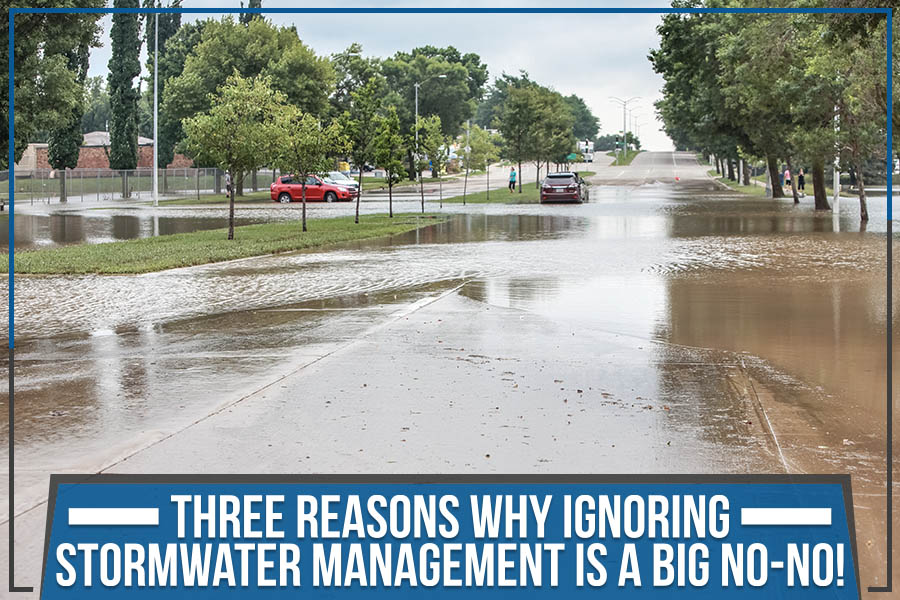
Stormwater management has become a primary consideration of city officials and property owners across the United States.
But what exactly are stormwater runoff and stormwater management? And why should you not ignore it? This blog by Bay Country Contractors, serving Oxen Hill, MD, will explore all these questions.
What is stormwater runoff?
Water running across the land during and immediately after a rainstorm is known as stormwater runoff. Some areas, such as parks and lawns, soak up most of the rain that falls on them; however, the locations with impermeable or non-porous surfaces have a lot more stormwater to deal with.
What does stormwater management entail?
Stormwater management refers to regulating the amount of rainwater runoff and the quality of the water in our water bodies (such as streams, lakes, rivers, oceans) that receive runoff.
Stormwater management systems are typically low-maintenance and simple to overlook. Unfortunately, completely forgetting about it can result in costly complications, which is why it should never be ignored.
Three Reasons Why Stormwater Management is Important:
Reduces Flooding
Inadequate stormwater management is most likely to blame when your property floods after a storm. Flooding usually starts in a parking lot, but it can spread to nearby buildings and homes. In addition to rendering the parking lot useless during storms, a flooded parking lot can cause hydroplaning and property damage.
Stormwater flooding is usually caused by a clog in the system, which can be rectified with a visual inspection and clearance of the obstacle.
Pollution Reduction
Stormwater collects and transports a variety of pollutants into our waterways. In high concentrations, many of these contaminants can create difficulties. Our Rivers and Rock Creek show the cumulative consequences of stormwater runoff on aquatic systems. The Potomac and Anacostia Rivers, for example, get untreated runoff daily, so they currently have poor water quality.
Antifreeze, oil, heavy metals from cars, chemicals from gardens, homes, and businesses, bacteria from pet waste and malfunctioning septic systems, and silt from flawed building sites procedures are all examples of pollutants in stormwater.
Stormwater can flood and damage houses, businesses, septic systems, erode stream channels, and harm or destroy fish and wildlife habitat if not correctly managed.
Prevents Stream Erosion:
Stormwater management helps minimize excessive erosion by limiting the speed and amount of water flowing into streams. If stormwater is not managed correctly, it can create severe erosion, preventing the stream from performing its intended role of transporting water and sediment.
Conclusion:
The stormwater management system is an essential aspect of your property’s drainage system since it benefits you and your community in terms of environmental, economic, and social factors.
Bay Country Contractors, serving Oxen Hill, MD, provides complete stormwater management system maintenance and repair services to ensure you’re ready for any storm. Our staff will check your property’s storm plumbing and retention system to determine what repairs are required, and then we’ll provide you with an estimate for the work.
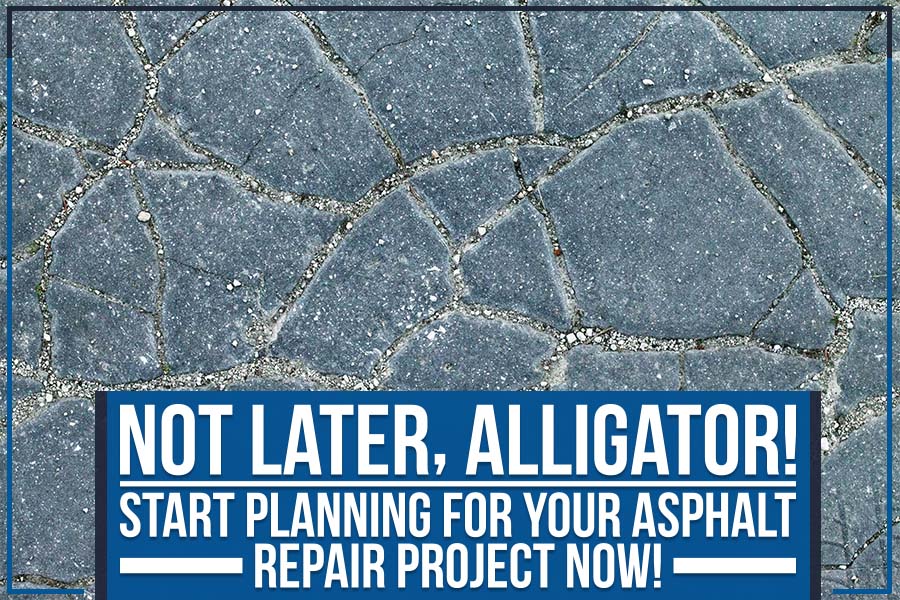
Don’t wait until the asphalt on your driveway or parking lot in Brandywine, MD, starts to show severe signs of wear and tear. You may have to deal with a costly and time-consuming asphalt repair project. Instead, start planning for asphalt maintenance now!
This blog post by Bay Country Contractors discusses how to evaluate your asphalt surface, prepare a budget, and get started on your preventive asphalt maintenance plan.
Evaluating Your Asphalt Surface
Every asphalt surface has different needs, so before you get started on your asphalt repair project, evaluate the current condition of your driveway or parking lot. You can follow these few simple steps:
- Look for cracks, potholes, and other signs of pavement distress.
- Check the asphalt surface for oil and gas stains.
- Feel the asphalt surface to see if it’s smooth or rough.
Understanding the Repair Process
Once you’ve assessed the condition of your asphalt surface, you can start thinking about how to repair it. Remember that asphalt repair is cheaper and more accessible than replacing the entire surface, so act quickly if you see any damage.
- Contact a professional asphalt contractor for an evaluation.
- Determine what kind of asphalt you have and whether it’s worth repairing.
- Get quotes from different contractors to find the best price for your asphalt repair project.
- Plan out all materials needed before beginning work on-site or pay any money upfront to your contractor. You’ll want everything ready so that they can get to work when they arrive!
Prepare a budget
A critical step in asphalt repair is preparing a budget for the job. This involves estimating the amount of material and labor needed to complete the project. The budget will also help determine if the repair is worth undertaking and how much time and money should be allocated. It’s also essential to create a budget that fits your needs- don’t skimp on quality because you think it will save you money in the long run.
Planning
Once you know how much the project will cost, it’s time to start planning! This includes figuring out what materials you’ll need and arranging them so they’re ready when the contractor arrives. If any permits are required, now is the time to take care of that.
Getting the work done
Now it’s time for the pavement contractor to take over! They’ll start by removing any old asphalt and then grading and prepping the surface for new material. Next, they’ll install the new asphalt- a process that includes compacting it so it lasts longer. Finally, they’ll seal the surface to protect it from the elements.
Post Completion Care
Even after the work is done, you still need to do some things to keep your pavement looking great! Regularly sweeping and clearing away debris will help prevent erosion and staining, while a suitable sealant can protect against oil spills.
Conclusion
We hope you now understand the importance of preventive asphalt maintenance and getting started on your plan. If you need asphalt repair in Brandywine, MD, or would like more information, contact Bay Country Contractors. Request a free estimate.
7 Advantages Of Using Granite For Roadside Curbs
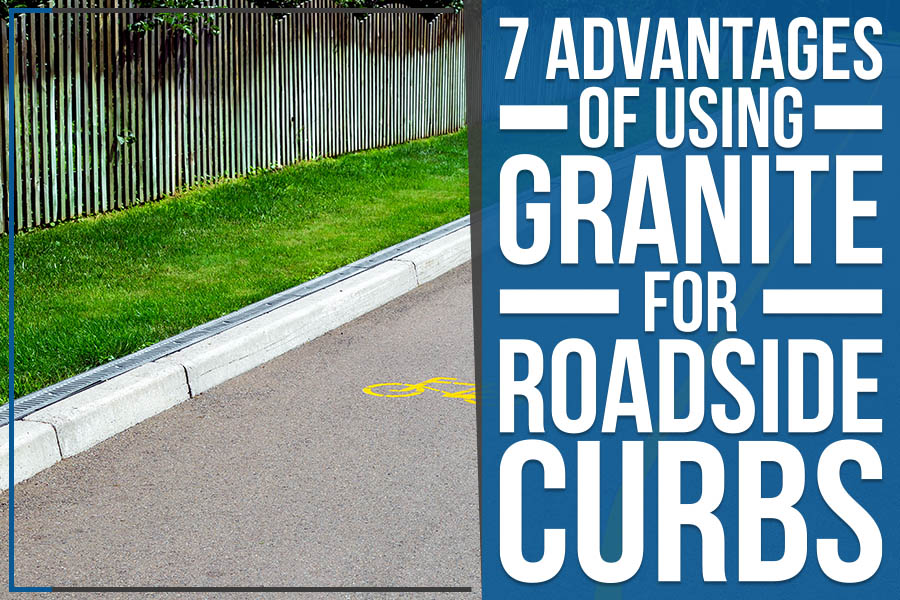
Of course, visual curb appeal matters when installing pavement in residential, commercial & municipal properties. But too often, paving contractors go for decorative pavement elements that weather faster than the road—that’s why the debate between finding a suitable decorative or functional streetscape element can be a tough one.
But do you know what material cuts right to the chase in both aspects? Granite curbs.
Not only does it beautify long stretches of pavement, but it offers solid & prominent barriers between the road & the sidewalk. Bay Country Contractors specialize in stone placement for both appearance & resilience, and here’s why we believe granite is ideal!
1. Cost-Effective
Many contractors offer concrete on client requests because they believe concrete is inexpensive compared to granite. But that is only true of the installation costs because the long-term maintenance costs of concrete far surpass that of granite.
2. Reinforces Pavement
The functional purpose of curbs & swales is to support the road on both edges and protect it against erosion, freeze-thaw, shear stresses & water intrusion. Concrete curbs will deteriorate over time, but granite blocks will keep the asphalt in its optimal tensile condition for traffic loads.
3. Naturally Durable
Granite is virtually indestructible and ranks as the densest curbing material available. You must have seen how asphalt milling tends to chip away concrete curbs, but you won’t see them get a scratch on granite. Granite curbs can withstand a lot of hits and still stay fixed in place.
4. Maintenance Free
Concrete is, after all, artificially made and suffers from spalling, cracking, and erosion. Upkeep costs are high for concrete curbs as sealants & repairs have to be applied regularly. Granite is a natural rock and weathers at a glacial pace in stark contrast. Granite curbs won’t crack or spall, suffer from seepage or require repairs for a long time.
5. Sustainable Material
Granite is cut rock, so no additives & emissions are being sent out into the atmosphere in its production. It is a far greener alternative to concrete curbs as it is easier to be reused or repurposed for future projects than concrete, which goes right in the landfill.
6. Enhances Property Appeal
Granite curbs can make any neighborhood look opulent & boost property prices in commercial areas. Cracked concrete curbs are nothing more than an eyesore, but granite lasts long & gives a premium look to streetscape elements & curbs.
7. Versatile Uses
No one said you have to see granite for just roadside curbing. It is used as lawn borders, lining for plant & garden beds, & walkways. Granite elevates the protective function of curbing for flower beds & private properties.
At Bay Country Contractors, we offer the crafting capability required to create unique granite curbing solutions for your stone placement needs. We are actively serving Fredericksburg, VA, with an assemblage of high-quality asphalt & concrete paving, repairs, stormwater management & stone placement solutions. If you need a site developed, now is the perfect weather to begin as excavation & winter go hand in hand!
Nevertheless, do feel free to check our services & request a free quote from us!

Everyone wants to keep their asphalt pavement in top shape to look great and last for years. However, doing this requires some effort – there are many things to consider! Bay Country Contractors has provided five tips on maintaining your asphalt pavement. Following these tips, you can keep your pavement in Manassas, VA, looking great for years to come!
Maintaining your asphalt pavement is essential to keep it looking good and functioning well. It is necessary to consider a few things when planning an asphalt maintenance schedule.
1. Weather
Consider the weather when choosing an asphalt pavement maintenance plan. Live in a region with cold winters. It may not be wise to get new asphalt every year – instead of installing fresh blacktop right now, consider waiting until springtime or even summertime when temperatures warm up again. Addressing problems beforehand can save you time and money in the long run.
2. Inspect Your Pavement for Faults
Inspect your pavement regularly for problems at least once a year, if not more often. Look for cracks, potholes, and other signs of wear and tear. Address these issues as soon as possible to prevent them from getting worse.
3. Clean Your Pavement Surface
Keep your pavement clear of debris. Leaves, snow, and ice can cause damage to asphalt if they’re not removed timely. Ensure you keep a close eye on your pavement during the winter months and remove any debris as soon as possible.
Use de-icer when needed. De-icing salt is a great way to keep your pavement clear of ice and snow. However, make sure you use it sparingly, as too much can damage the asphalt.
4. Do not Park on the Pavement
Avoid parking heavy vehicles on the pavement. Parking on the pavement can cause wear and tear, especially if you’re not using the driveway. If possible, try to park in your garage or on the street instead.
5. Maintain Proper Drainage
If your asphalt pavement is not draining water properly, it can lead to cracking and potholes over time. It may also cause standing water on top of the surface, dangerous for pedestrians or vehicles. One way to facilitate drainage is to ensure that your gutters and downspouts are cleared of debris and functioning correctly.
Hire a professional for any repairs. If you notice cracks, potholes, or other damage to your pavement, it’s essential to get them fixed as soon as possible. It is always very tempting to try and repair these issues yourself; hiring an expert will ensure that they’re done correctly and that the damage doesn’t return.
Conclusion
Now that you know five tips for maintaining your asphalt pavement in Manassas, VA, it’s time to take action! Contact Bay Country Contractors today and get a free estimate. We’re happy to respond to any questions about our services or what we can do for your business.
What Types Of Pavement Failures Plague Asphalt?

Asphalt pavement is a popular choice for roadways and parking lots because it is relatively inexpensive to install and maintain. However, asphalt pavement failures are common and cause accidents and inconvenience drivers and pedestrians. This blog post by Bay Country Contractors will discuss the most common pavement failures associated with asphalt and how you can prevent them from happening at your property in Alexandria.
1) Alligator Cracking
Alligator cracking is a type of pavement failure that occurs when the surface layer of asphalt separates from the underlying layer. This often happens when the surface layer has been over-compressed, which causes it to become brittle. Alligator cracking can be dangerous because it increases the risk of accidents and can also create potholes.
To prevent alligator cracking, you should ensure that your asphalt surface is not over-compressed and avoid driving or parking on it when it is wet.
2) Linear Cracking
Linear cracks are usually the result of pavement fatigue. This type of failure occurs when the asphalt pavement is subjected to repeated loads, such as traffic. Linear cracks can eventually grow and cause the pavement to fail.
To prevent linear cracking, you should ensure that your asphalt pavement is adequately designed and installed; this involves estimating the expected traffic load and the weather conditions. It would also help avoid driving or parking on it when wet.
3) Transverse Cracking
The movement of the underlying soil causes transverse cracks. Changing temperature cycles and poor construction due to improper paver operation are reasons behind transverse cracking.
To prevent transverse cracking, you should ensure that the sub-base is adequately compacted and that no excess moisture is present in the soil.
4) Potholes
Potholes form due to water infiltrating the pavement and softens the underlying soil. The weight of traffic then causes the pavement to break up and create a hole.
To prevent potholes, you should ensure proper drainage in the area and that the sub-base is adequately compacted. You can also use a sealant to help protect your asphalt from moisture damage.
5) Depressions
Depressions are pavement areas with lower elevations than the surrounding. Depressions are noticeable after rain when water fills them. Depressions can cause headaches to parking lot owners as vehicles visiting them can bump and hurt themselves on the road. Depending on the depression’s severity, you may have to remove and replace the affected area by applying a thin infrared patch.
By knowing what to look for and how to prevent pavement failures, you can help keep your asphalt pavement in good condition for years to come.
Pavement failure is a common problem that plagues asphalt. The most common failures are excessive cracking, fading color, and fatigue. Your parking lots and driveways can last for years with regular asphalt maintenance. Bay Country Contractors offer full-service site maintenance and development services to keep you on top of any potential issues with your pavement in Alexandria. Get a free estimate from our team now!

Is your driveway in disrepair? Or is your home’s curb appeal just not what it used to be? Fear not, homeowners! This winter, you can pave your driveway for a beautiful home in the spring – without breaking the bank. All you need is some preparation and a little bit of elbow grease. So put on your parka and get ready to work!
Paving in the winter is a no-go – it’s just too cold. The ground is frozen solid, and the machines used for paving can’t handle the conditions. However, that doesn’t mean you can’t get your site in Fredericksburg ready for paving. Preparing now will make the job much smoother when spring rolls around.
Before you start the labor work, keep these crucial points from the experts at Bay Country Contractors in mind:
Points to Remember
- Sketch out the areas you want to pave
- Make a clear guide of patterns and dimensions.
- Consider the quantity of cement and sand required for bedding.
- If you wish to place bedding, prepare the sub-layers in advance.
- Depending on the soil, it may need to be excavated and replaced with crushed stone.
- The sand must be 40mm thick between the ground level of the paved area.
The Basic Preparation:
Shovel Off all of the snow and ice from your driveway and curb. It might seem like an obvious step, but it’s that you remove all of the debris that should be taken care of first.
Rake Up any leaves, sticks, or other yard debris that might have made their way into your curbs and parking spaces. It is the second step because if these items are left in place, it will create a bumpy surface when you’re paving later on.
Broom Off the cars from your driveway and curb, so they don’t ruin the freshly laid pavement with tire tracks or scratches! It’s also important to note that rainwater can freeze overnight, leading to an icy mess for morning commuters. By removing all vehicles from the surfaces, you’ll prevent this issue and provide a clear workspace for yourself during preparation time.
Dig Up and Refill any dips with gravel. Is there an area of your driveway that’s been giving you trouble? Dig up part of it and fill in any dips with gravel. No more puddles! If there are cracks all over the place, patch them up using cold mix asphalt or crack filler – just like when filling tire tracks on the road! It will keep water out throughout winter (and prevent further cracking).
Conclusion:
No matter how big or small an area is, having repairs made now will help make sure everything’s ready to come springtime, and there isn’t anything worse than getting behind schedule during prime paving season. Do yourself (and others) a favor by preparing your sites this winter, so they’re ready to go once the snow melts away!
At Bay Country Contractors, serving Fredericksburg, we provide solutions for residential and commercial pavement problems. Get a free estimate.
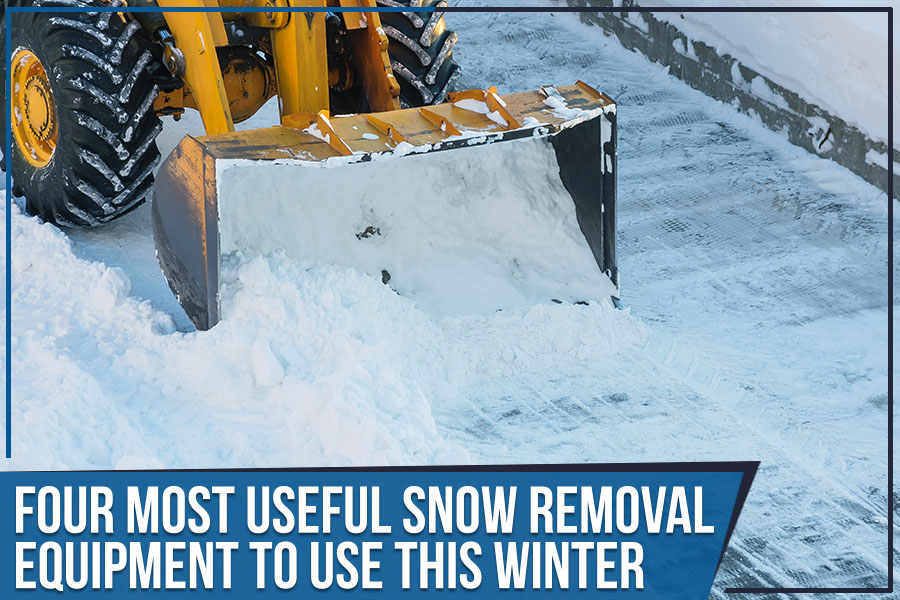
The sight of snow flurries fills our hearts with excitement; it summons the beginning of winter and the upcoming holiday season. But, the beautiful facade of winter has a dark side too! Snowstorms and blizzards can cause dangerous conditions on the roads and sidewalks with heaps of snow, sometimes leading to accidents.
One of the most threatening aspects of a snowstorm is its potential to create slick surfaces. When precipitation falls as snow, it often becomes ice as temperatures drop below freezing at night. This creates a hazardous situation for drivers and pedestrians.
When it comes to ensuring the safety of their staff and customers, businesses should invest in commercial snow removal. Most slip-and-fall accidents happen because of ice or snow’s presence on the business’s property.
As a premier maintenance services provider in Virginia and Maryland, Bay Country Contractors share its picks of essential snow removal machinery.
Snowplow
Snowplows are among the most frequently used and dependable pieces of equipment in the snow removal business. Snowplows are mounted on vehicles to clear roads, parking lots, and other snow or ice surfaces.
If you’re looking to clear vast amounts of ground or have an exceptionally thick layer on your parking lot, it might be worth considering hiring a snowplow truck. They work best on flat, sturdy surfaces that can bear their weight.
Skid Steer Loader
Skid-steer loaders are the most versatile and popular type of snow removal vehicle. They can easily handle major storms with their various attachments, making them perfect for any job size or site! These machines work best for clearing small areas where space is limited.
Wheel Loader
Wheel loaders are ideal for working in areas that receive consistent snowfall. Wheel loaders are perfect for clearing snow from sidewalks, driveways, and walkways. They have large windows that provide wide-area visibility so drivers can easily see the area without getting too close to obstacles or power lines!
These machines also offer some safety benefits: these vehicles don’t have four wheels like a truck but two independent leg assemblies instead (making them more stable on steep hillsides). They also have several useful features, such as optional lights to help out during nighttime snow removal, while rearview cameras help if drivers get stuck on a pileup.
Backhoe Loader
Backhoes are a great way to deal with snow, especially in areas where you can’t get around quickly. These machines work as ice removal equipment due to their ability to operate safely and smoothly during extreme conditions like heavy snowfall that would otherwise immobilize other types of machinery such as diggers or plows. They also compact the excess accumulation off-site, so it doesn’t end up compromising nearby structures nor causing secondary harm through runoff after storms passes.
When planning snow removal at your commercial establishment in Alexandria, VA, contact Bay Country Contractors. We offer various maintenance and site development services.
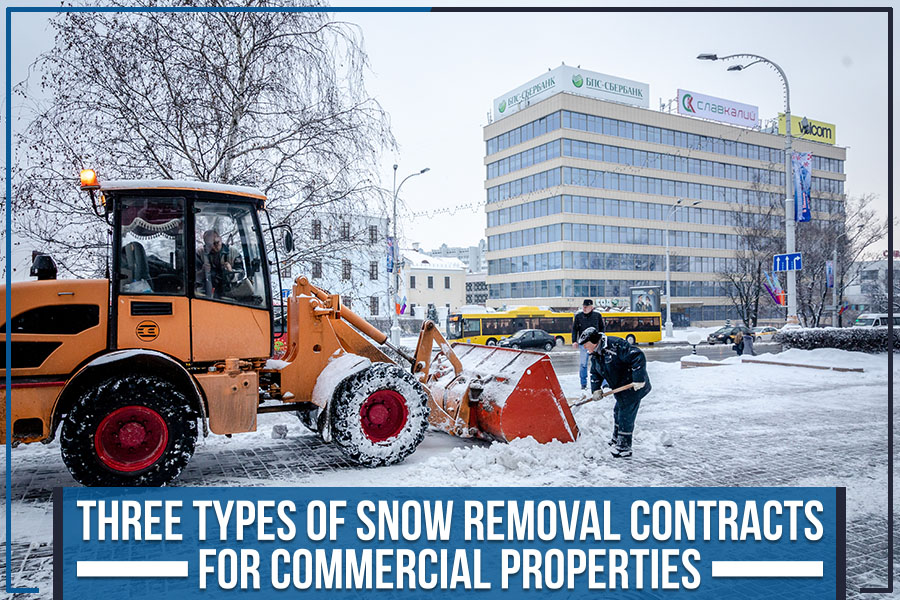
As the snow piles up outside your commercial property, you would have to make arrangements for its removal. Snow removal contracts are crucial for any commercial property’s maintenance plan. The best way to keep your building looking best is to have a contract that suits your needs.
A snow removal contract is a legal document that details the responsibilities of both parties and their respective obligations and rights. These contracts vary in scope and complexity depending on the amount of snowfall, type of property (commercial or residential), and the length of time they are valid.
Always hire experienced snow removal contractors like Bay Country Contractors in Ashburn, VA.
Here’s a list of three popular snow removal contract types that most companies use for property maintenance during winters.
1) Pay Per Event
This contract type is for property managers who only want to clear their pavement every time snow falls and accumulates. Generally, two inches of snow is when property managers push the call button for service. This type of contract is usually for smaller properties (residential or commercial) with limited spaces located in urban areas with high chances of snowfall.
A drawback of this contract is that it is not favorable for areas with persistently high levels of snowfall during the winter season.
This option allows property managers to avoid potential issues arising from a blanket agreement, such as receiving services during mild weather when there is no need for clearing activities. Also known as “call before you dig” agreements, this kind of contract will ensure immediate response time by companies.
2) A Seasonal Contract
A seasonal contract locks a fixed price per month for snow removal services during the winter season. The benefit of this contract is that it allows property managers to budget their expenses and estimate costs in advance while receiving reliable snow removal without worrying about unexpected charges from unpredictable weather conditions.
Depending on the case, this contract can include a long-term agreement or be for part of the year. Although many companies require an annual service minimum, some business owners may wish to hire smaller service providers during dry winters with no need for clearing activities at all.
3) A Full-Service Seasonal Contract
Commercial properties with high visitor density located in areas of extreme cold have little margin for error. These properties need to be in top shape throughout the winter without any hiccup along the way.
A full-service seasonal contract suits such properties as they require service before, during, and after a storm. The contract typically includes snow plowing, de-icing, ice removal services, and more.
This type of service offers flexibility as you can adjust the contract to fit a property’s needs throughout the winter season.
With the winter season here in Ashburn, VA, finalizing a snow removal strategy for your commercial property is time. Since you cannot trust inexperienced contractors to look after piles of accumulating snow on the parking lot, the Bay Country Contractors is the safest bet for full-site maintenance during winters. Our commercial snow removal and ice control service ensure the weather does not play spoilsport to your commercial activities this winter. Get a free estimate from our team now!
Connect with us


We Provide Full-Service Maintenance And Site Development Services For Virginia And Maryland.


Quick Links
Information
- 26825 Point Lookout Rd, Leonardtown, MD 20650
- 3504 Plank Rd Suite 302, Fredericksburg, VA 22407
- 44927 George Washington Blvd Suite 265, Ashburn, VA 20147
| Hours | |
|---|---|
| Monday | 8:00AM - 5:00PM |
| Tuesday | 8:00AM - 5:00PM |
| Wednesday | 8:00AM - 5:00PM |
| Thursday | 8:00AM - 5:00PM |
| Friday | 8:00AM - 5:00PM |
| Saturday | Closed |
| Sunday | Closed |