Key Takeaways
- The stormwater management system is crucial for homes to prevent flooding.
- Look for a company that has years of experience and is transparent about its process and costs.
- Take caution and observe red flags while searching for the right service provider.
- Be sure to ask questions before hiring anyone to know what you’re getting into.
Business owners are always looking for ways to protect their property and keep it in its best condition. One aspect of protecting the property that is often overlooked is stormwater management. A well-designed management system can save you a lot of money.
Stormwater management is collecting and managing water that runs off your property during a storm. This includes rainwater, melting snow, and any other water that flows over the surface of your property.
If you’re located in Ashburn, VA, you know how often thunderstorms occur. According to a report, the state has dealt with billions of dollars worth of damages from 82 disaster events recorded in the U.S. between 1980-2020.
Stormwater management is critical to keeping your property safe and protecting your investment. Bay Country Contractors will explore the significance of these management systems and what to look for in them to choose the best one in your area.
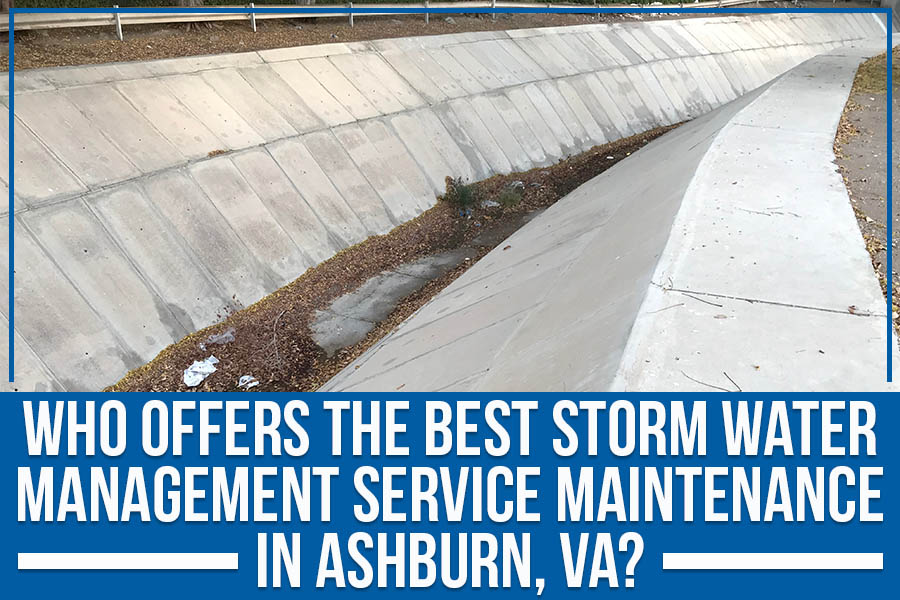
What is Stormwater Management System, and why are they Crucial for Commercial Areas?
It is a network of pipes and catch-basins designed to prevent flooding by collecting rainwater and channeling it away from buildings and other structures. Some of the benefits they offer to commercial areas include:
1. Reduce Flooding and Water Damage
The management system collects and drains water away from buildings, parking lots, and walkways to help prevent flooding and the resulting water damage.
2. Improve Water Quality
Collecting pollutants before they have a chance to enter waterways helps to improve the quality of local rivers, lakes, and streams. It would benefit not only the commercial area but the whole community.
3. Protect Against Soil Erosion
They also help in retaining soil by slowing the flow of water. The system prevents water from flowing at high speeds saving nearby structures and fields from soil erosion.
4. Save Money in The Long Run
Although their initial investment can be substantial, you will save more in the long run by preventing flooding, water damage, and erosion in commercial areas.
Also Read: Stormwater Management: Why Is It Important?
What to Look for When Choosing a Stormwater Management System Service Provider?
When looking for a professional contractor for stormwater management, there are some specific things you should look for to ensure you’re getting the best possible service. Make sure the company you hire has the following:
1. A Good Reputation
A good reputation is one of the most crucial aspects when choosing a professional contractor. Ask around and see what other people in your area have to say about the company you are considering.
2. Experience
Another vital thing to consider is the experience of the company. You want to ensure they have plenty of experience dealing with stormwater management systems so you can be confident they will do a good job.
3. The Right Tools and Equipment
The company you choose should have all the necessary equipment to do the job right. It includes things like pumps, pipes, and other specialized equipment.
4. A Good Safety Record
Safety is always a top priority, so you want to ensure that the company you hire has a good safety record. Ask them about their safety procedures and ensure they are up to date on all the latest safety standards.
5. A Fair Price
Last but not least, you want to ensure you get a fair price for the services you need. Get quotes from several different companies before making your final decision.
Potential Red Flags
While surveying your area, you may encounter a few companies you should avoid. Here are some red flags to take caution of:
1. Lack of Certification
If a company is not adequately certified, it’s a good sign that they are not qualified to do the job. Please make sure any company you consider has a license from the state where they operate.
2. Outdated Equipment
If a company is using outdated equipment, it’s a good sign that they are not keeping up with the latest industry standards. You want to ensure the company you hire uses the most up-to-date equipment.
3. Unprofessional Employees
If a company has unprofessional employees, it’s a sign that they are not serious about their business. You want to ensure the company you hire has professional and courteous employees who will treat you respectfully.
4. Poor Customer Service
If a company has poor customer service, it indicates that they don’t care about its clients. You want to ensure the company you hire has excellent customer service to get the best quality and satisfaction.
5. No Online Presence
If a company doesn’t have an online presence, it’s a good sign that they are not keeping up with the times. You want to ensure the company you hire has an online presence so that you can quickly contact them and find information about their services.

Questions to Consider Before Hiring
Having your queries or concerns answered is essential before hiring a contractor. If you don’t know what to ask, here are some questions to ask stormwater management systems and service providers:
1. What is the overall process?
2. What are the benefits of the system?
3. How long does it take to install the system?
4. How much will it cost to maintain the system?
5. What are the consequences of not maintaining the system?
By asking these questions, you can better understand what you’re signing up for and what to expect from the company you hire.
Who to Hire in Ashburn, VA
Consider all the aspects covered before hiring anyone for your stormwater management project. If you’re looking for a professional contractor to complete your stormwater management system maintenance and repair in Ashburn, VA, consider Bay Country Contractors.
We are professionals in providing asphalt/concrete, stormwater management system maintenance, and repairs. Get in touch to get a free estimate.
Concrete Overlays Explained: Resurfacing & Repairs

Key Takeaways:
- Concrete overlays are a kind of resurfacing used to repair existing concrete or cover a new concrete surface.
- The costs of concrete resurfacing will depend on the size of the project, the type of concrete used, and the complexity of the design.
- But you can expect to pay anywhere from $3 to $7 per square foot for a primary resurfacing job.
- The thickness of a concrete overlay will depend on the type of material used and the purpose of the overlay.
- Choosing the right resurfacing contractor and type of concrete will help your new concrete surface last for several years.
You might want to resurface or repair existing concrete for several reasons. You may have a driveway, sidewalk, patio, or garage floor starting to show its age and could use a new coat of finish. Or perhaps you need to patch up some cracks or fix pitting to improve the appearance and longevity of your concrete surface.
In any case, a concrete overlay may be the solution for you if you’re looking to get resurfacing. While it’s best to consult a concrete resurfacing contractor to save costs and get your concrete maintenance completed professionally, there’s more to know.
Let’s discuss concrete overlays and resurfacing in further detail to help you gain a better understanding.
Concrete Resurfacing and Concrete Overlays Explained
Concrete overlays are a kind of resurfacing used to repair existing concrete or cover a new concrete surface. The process involves adding a layer of concrete on top of the old concrete surface.
It can be done for both functional and aesthetic reasons. Sometimes, an overlay can provide a smooth new surface if your surface is cracked, damaged, or pitted. In other cases, you may want to add an overlay for decorative purposes, such as changing the color or texture of your concrete.
How Long Does a Concrete Overlay Last?
If properly maintained, it can last for several years. However, the lifespan will depend on the type of overlay and the conditions it is exposed to. An overlay constantly exposed to weather and traffic will not last as long as one that’s protected from the elements.
Are you looking to keep your concrete basement in the best shape? Here’s what you need to know.
What Is the Process of Resurfacing Concrete with a Concrete Overlay?
The process is relatively simple. First, the resurfacing area is cleaned, and loose debris is removed. Next, a bonding adhesive is used on the existing concrete surface.
It helps the new concrete overlay adhere to the old surface. Once the bonding adhesive has been applied, the new overlay will be added.
As for the thickness of the overlay, it will depend on the resurfacing project of your choice. For instance, if you are only changing the color of your concrete, a thin layer may be all that is necessary. However, a thicker layer may be required if you are repairing damaged concrete or changing the texture and color.
What Are the Costs of Resurfacing a Concrete Overlay?
This will depend on the size of the project, the type of concrete you use, and the complexity of the design. You can expect to pay anywhere from $3 to $7 per square foot for a basic resurfacing job.
You can expect to pay more if you are looking for a more complex design, such as a stamped concrete overlay. Prices for stamped concrete can range from $12 to $25 per square foot, depending on the level of detail in the design.
What Materials Are Used for A Concrete Overlay?
Many different types of materials can be used. The most common is mortar, a mix of cement, sand, and water. Other options include self-leveling concrete, micro toppings, and polymer-modified concrete.
What Is the Thickness of a Concrete Overlay?
The thickness will depend on the type of material used and the purpose of the overlay. For example, a thin layer of self-leveling concrete can be used to smooth out minor imperfections. In contrast, a thicker layer of mortar may be necessary to provide structural support.
Will It Crack?
Cracks are common in all types of concrete, including concrete overlays. However, damages can be minimized by using a high-quality concrete mix and ensuring that the concrete is adequately cured. Cracks can also be less visible on darker-colored surfaces.
What Are the Different Types of Concrete Overlays?
There are several different kinds, each with unique characteristics. Some common types include:
- Thinner self-leveling concrete: This type is ideal for smoothing out minor imperfections in the surface of existing concrete.
- Broom-finished concrete: This is textured with a broom for added slip resistance. It is available in various colors.
- Stamped concrete: It can be stamped with patterns to resemble stone, brick, or other materials.
- Thicker mortar: A thicker layer of mortar provides structural support to existing concrete. However, this type of overlay can be more challenging to apply evenly.
- Decorative stamps: Decorative stamps create patterns on the surface of the concrete overlay. This type of overlay is often used for decorative purposes only.
Consult a concrete resurfacing contractor before deciding on the best kind of concrete overlay for your project. They will be able to advise you on which type is best suited for your needs and budget.

When Should I Resurface My Concrete with a Concrete Overlay?
If your concrete shows signs of wear and tear, it may be time to resurface it. Over time, weathering and traffic can take a toll on concrete, causing it to crack or chip.
A concrete overlay can also be a good option if you want to change the look of your concrete. For instance, if you have plain gray concrete, you could add a colored or stamped overlay to give it a more aesthetic look.
Why Choose a Professional Concrete Resurfacing Contractor for Concrete Maintenance?
A professional concrete resurfacing contractor has the experience and expertise to install a concrete overlay properly. They will also be able to repair any cracks or damage that may already be present on the concrete surface.
Additionally, a concrete resurfacing contractor can provide a warranty on their work. It will protect you in case of any problems that may occur after the surface is installed.
Concrete resurfacing contractors are familiar with local building code requirements. It means they can ensure that your concrete overlay is installed according to code and will not be a safety hazard.
When choosing a contractor to resurface your concrete, it is essential to get multiple quotes to ensure you are getting the best possible price. Be sure to ask each contractor about their experience with concrete resurfacing and whether they have any references you can contact.
Concrete overlays are an ideal way to repair and improve the look of your existing concrete. Choosing the right contractor and type of concrete will allow your new concrete surface to last for many years.
Bay Country Contractors offers commercial asphalt maintenance, concrete maintenance, stormwater management systems, and more in Stafford, VA.
Get a free estimate today!
How To Choose The Best Stormwater Solutions?
Key takeaways:
- Several different stormwater solutions are available on the market, each with its advantages and disadvantages.
- The kind of soil present on your property will determine the stormwater solution you can install.
- Your property’s size will determine the size and capacity of the stormwater solution you need.
- If you’re situated in an area with high rainfall, you’ll need a system that can handle large volumes of water.
- When choosing a stormwater solution contractor, it’s essential to choose one that is experienced and reputable, like Bay Country Contractors.
A stormwater management system is essential for any property owner, manager, or developer. Stormwater solutions can mitigate the impact of stormwater on your property. Thus, choosing the right solution is essential to ensure that your stormwater solution is effective. It’s also recommended that you consult a professional stormwater management contractor for professional guidance.
Several different stormwater solutions are available on the market, each with its advantages and disadvantages. Choosing a solution that will be effective in your specific circumstances and meets your budget is essential. Let’s discuss these solutions to give you a better idea about their necessity.
Kinds Of Stormwater Solutions

Stormwater Detention Basins
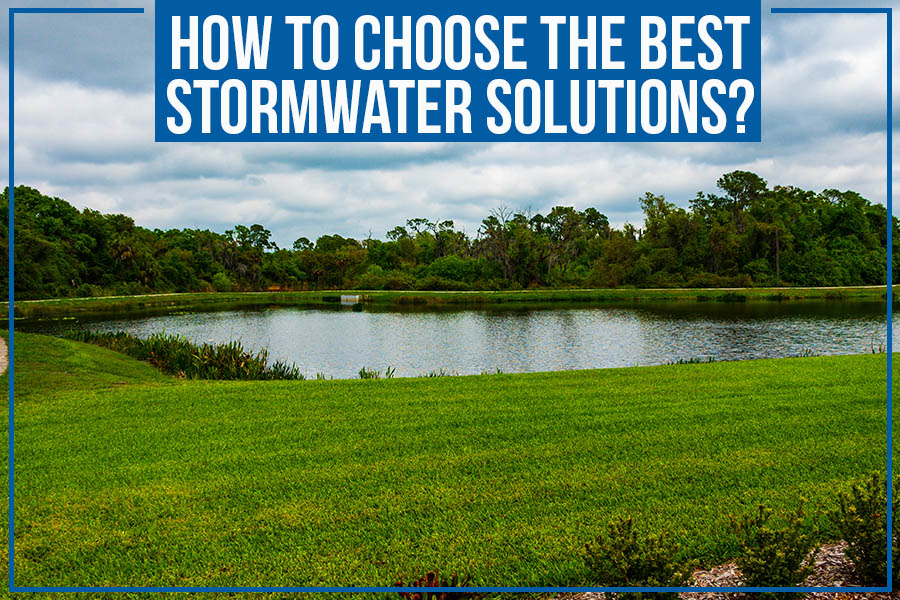
A stormwater detention basin is a large, above-ground structure designed to detain stormwater runoff. Stormwater detention basins are typically used in areas with a risk of flooding or soil erosion.
Stormwater Retention Ponds
A stormwater retention pond is a below-ground structure designed to retain stormwater runoff. Stormwater retention ponds are typically used in areas where space is limited, or there is a risk of flooding.
Stormwater Infiltration Systems
A stormwater infiltration system is a below-ground system that allows stormwater to seep into the ground rather than run off the surface. Stormwater infiltration systems are typically used in areas where space is limited, or there is a risk of flooding or soil erosion.
Stormwater Detention Vaults
A stormwater detention vault is a large, above-ground structure to detain stormwater runoff. Stormwater detention vaults are typically used in areas with limited space or risk of flooding.
Stormwater Harvesting Systems
A stormwater harvesting system captures stormwater runoff and stores it for future use. Stormwater harvesting systems are typically used in areas where water is scarce or there is a need to reduce the demand for municipal water supplies.
Advantages Of Having a Stormwater Management System
Improved Water Quality
By capturing stormwater before it has a chance to runoff, a stormwater solution can help enhance the water quality by reducing the number of pollutants carried into our waterways.
Reduced Flooding and Erosion
By capturing stormwater and storing it, a stormwater management system can help to reduce the risk of flooding and erosion.
Reduced Flooding
A stormwater solution can help to reduce the risk of flooding by storing stormwater and releasing it at a controlled rate.
Erosion Control
A stormwater solution can help to reduce the risk of erosion by storing stormwater and releasing it at a controlled rate. This can help to protect our waterways and natural habitats from the effects of corrosion.
Reduced Maintenance Costs
A well-designed stormwater solution can help to reduce the need for ongoing maintenance and repair costs associated with stormwater damage.
Improved Aesthetics
A well-designed stormwater solution can improve the aesthetics of an area by providing green space and creating interesting visual features.
Issues Faced by Contractors During the Installation of a Stormwater Management System
There are several challenges that contractors face when installing a stormwater solution. These include:
- Ensuring the system is designed to meet the specific needs of the site
- Obtaining the necessary approvals and permits
- Coordinating with other trades and contractors
- Managing stormwater during construction
- Dealing with unexpected challenges that may arise during installation.
- Providing a comprehensive design and installation service
- Having a team of experienced and qualified tradespeople
- Having a strong commitment to safety
- Being able to provide 24/7 support.
Disadvantages Of a Stormwater Management System
Cost Of Stormwater Maintenance
While the initial cost of installing a stormwater solution can be significant, the long-term costs of stormwater maintenance should be considered. Stormwater systems require regular maintenance and inspection to ensure they function correctly and prevent costly repairs.
The cost of stormwater management can also be affected by the size and complexity of the system. An extensive system would require more frequent stormwater maintenance than a minor system.
It Doesn’t Suit All Structures.
Not all structures are suitable for a stormwater solution. A stormwater solution may not be the best for you if your property is in an area with a high water table. Additionally, it may not be suitable if the soil cannot absorb water quickly.
In addition, some stormwater solutions can be visually intrusive and may not be appropriate for all properties.
Factors To Consider Before Going for A Stormwater Management System
Before you install a stormwater solution, there are several factors you need to consider, including:
The Type of Soil on Your Property
The kind of soil present on your property will determine the stormwater solution you can install. For instance, if you have sandy soil, you won’t be able to use an infiltration system.
The Amount of Rainfall in Your Area
Rainfall also affects the type of stormwater management system you can install. If you’re situated in an area with high rainfall, you’ll need a system that can handle large volumes of water.
The Size of Your Property
Your property’s size will determine the size and capacity of the stormwater solution you need.
Your Budget
The budget you allocate for a stormwater solution installation project will also play a significant role in choosing the best stormwater solution for your needs.
How Can a Professional Stormwater Solution Contractor Help?
A professional stormwater solution contractor can help you choose the right stormwater solution for your needs. They will consider all the various factors mentioned above and any additional factors that may be relevant to your situation. They will then offer you a list of potential solutions and help you choose the one that’s right for you.
How To Choose a Stormwater Solutions Contractor?
When choosing a stormwater solution contractor, it’s essential to choose one that is experienced and reputable. Ask for referrals from friends or family, or look for reviews online. Make sure to get multiple quotes before deciding, and ensure that the contractor is appropriately licensed and insured.
Are you looking to conserve water? Here are some tips to consider.
Which Stormwater Solution Is Best for You?
There is no one-size-fits-all stormwater solution. The best solution for you will depend on several factors (as discussed earlier). However, a professional stormwater management contractor can assess your needs and recommend the best solution.
Bay Country Contractors provide exceptional stormwater management and installation services in Stafford, VA. Besides that, we also offer professional commercial asphalt and stone placement services. Get a free quote directly from our website today!
How Different Seasons Affect An Asphalt Pavement
Key Takeaways –
- The summer and winter seasons influence your asphalt surface in different manners.
- Correctly maintained asphalt surfaces can take on the challenge both seasons present.
- Asphalt pavements installed for hot and arid conditions usually include coarse aggregates.
- Pavements installed for the winter season are modified with rubber or emulsion to ward off the cold.
- Despite the type and nature of asphalt, your maintenance schedule throughout the year determines its longevity and how it withstands the elements.
- Follow a set winter and summer maintenance and repair schedule to enjoy long-lasting results.
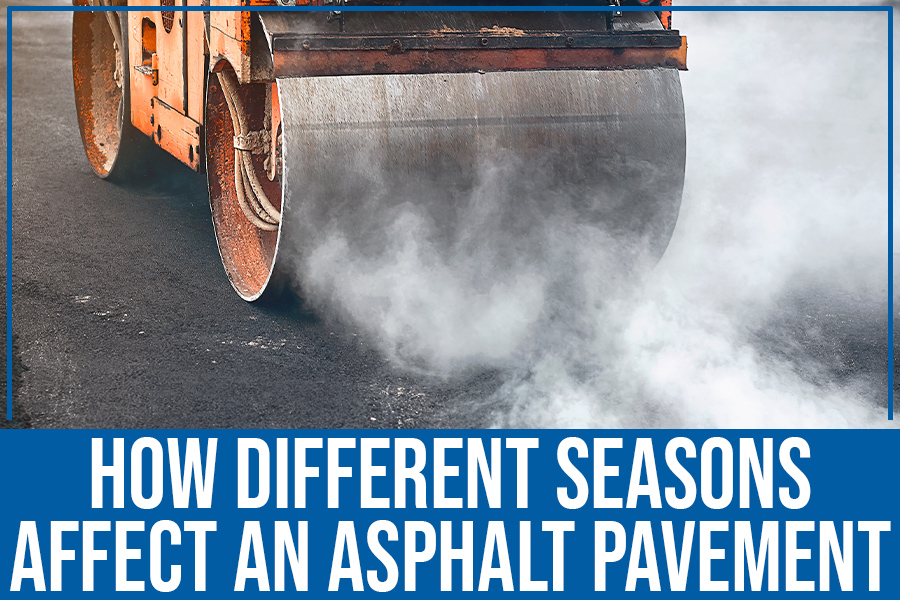
Asphalt pavement can take a beating during the summer. With the increased traffic and higher temperatures, it can start to wear down quickly. But what about winter? Is asphalt more challenging in cold weather? Let’s look at the difference between summer and winter asphalt.
How Does the Summer Season Influence the Asphalt Surface?
The asphalt surface can be subject to different issues during the summer months. The heat can cause the asphalt to soften, making it more susceptible to damage from traffic. The increased traffic can also add wear and tear to the asphalt. And finally, the sun can cause fading and other cosmetic damage. These issues intensify damage as cracks widen and potholes form when a brittle asphalt surface faces the heat.

How Does the Winter Season Influence the Asphalt Surface?
On the other hand, asphalt can become harder and more brittle in cold weather. This is due to a combination of cooler temperatures and moisture. The moisture can come from rain, melting snow, or even dew. When this moisture gets into the asphalt, it can cause it to expand and contract as the temperature changes.
What is the Freeze-Thaw Cycle?
The freeze-thaw cycle is a significant reason behind asphalt’s behavior during the winter and summer. Asphalt wear and tear and poor maintenance efforts can cause cracks on your pavement; these cracks can deteriorate and evolve into either potholes or alligator cracking during the summer season. Not sealing these cracks sets the pavement up for disaster come winter. Moisture from snow and rain seeps into the leftover cracks and then freezes.
As the water in the cracks freezes, it expands; this expansion exerts a tremendous amount of pressure on the asphalt. The asphalt can only take so much pressure before it starts to buckle and crumble.
This process is known as the freeze-thaw cycle, and it’s one of the most common reasons asphalt pavements fail during the winter months. You should carry out appropriate asphalt repair and crack filling measures before and after the winter season to prevent any damage to your pavement.
The cycle also shows that timely maintenance efforts can help you avoid overblown repair costs. Asphalt repair and maintenance during summer can help restrict damage from freeze-thaw cycles.
What’s the Difference Between Summer and Winter Asphalt Pavement?
The asphalt maintenance and repair techniques you follow during the two seasons can differ based on asphalt composition.
Summer asphalt is a mixture of asphalt binder and fine and coarse aggregates. On the other hand, asphalt installed for predominantly cold areas uses an asphalt binder modified with either rubber or emulsions.
The main difference between the two types of asphalt lies in their rheology or ability to flow. Summer asphalt is designed to be stiffer so it can withstand high temperatures without softening too much.
Winter asphalt mixes are more flexible and don’t crack when exposed to freezing temperatures. While both types of asphalt are black and sticky when first laid down, they behave differently once they’ve cooled off and hardened.
Also, Read – Asphalt Paving Methods All Professional Contractors Know
Summer Asphalt Maintenance Tips
Asphalt maintenance during summer is vital to the health and longevity of your pavement. Here are a few asphalt maintenance tips that will help you keep your asphalt surface in tip-top shape all season long:
- Wash off dirt, debris, or grime on the asphalt surface. This will help prevent staining and discoloration.
- Trim any plants or trees growing too close to the asphalt. Overhanging branches can drop leaves and other debris onto the asphalt, leading to staining and premature asphalt deterioration.
- Fill in any cracks or potholes that have developed over the winter months. Filling cracks early on can help prevent further cracking and damage to the asphalt surface.
- Sealcoat the asphalt surface to protect it from the sun, moisture, and other elements that can cause asphalt deterioration.
Winter Maintenance Tips
The snow and eventual water formation are your asphalt pavement‘s biggest enemy during winter. Water is the most damaging substance to asphalt as it can penetrate through small cracks and enter the base, causing significant damage.
- Shovel snow off the asphalt pavement as soon as possible to prevent water from seeping into cracks and damaging the asphalt.
- Use a de-icer on your asphalt pavement if necessary, but be sure to use a product that is safe for asphalt. Some de-icers can damage asphalt pavements.
- Suppose you have potholes or cracks in your asphalt; repair or refill them before winters arrive. Filling potholes and repairing cracks early on can help prevent further damage to your asphalt surface.
Why is Summer Considered the Ideal Time for Asphalt Installation?
If you’re desperately waiting to install an asphalt surface, summer is the ideal time to do so. Asphalt installation is mainly discouraged during winter because cold weather can make it less pliable and more likely to crack.
- Hot weather, on the other hand, makes asphalt more malleable and less likely to crack.
- Another factor that contributes to successful asphalt installation is rainfall. If a new asphalt surface is installed during a drought, it’s more likely to experience cracking and damage due to a lack of moisture.
- Installing asphalt in summer also allows for proper compaction and curing, which are essential for a durable asphalt surface.
- Installing asphalt during winters can be challenging because of the cold weather. The cold winter nights limit the curing process of asphalt. This results in a weaker asphalt surface that crumbles under pressure.
Bay Country Contractors wants to ensure your asphalt surface is in good condition regardless of the season. That’s why we offer premium asphalt maintenance and repair services to keep your pavement looking great all year round in Oxen Hill, MD. We understand that different seasons can take a toll on your asphalt surface, so our team of experts is always prepared to tackle any repair or maintenance needs you may have. Contact us today for a free estimate, and let us help you keep your driveway or parking lot looking its best!

Key Takeaways:
- Regularly cleaning and vacuuming your concrete basement will help prevent dirt and dust buildup and keep the floors looking their best.
- It’s also important to repair any damage as soon as possible to maintain the condition of your basement.
- Always hire a contractor who’s experienced, has a good reputation, and uses high-quality products for basement construction.
Homeowners want to do everything to keep their homes in the best condition possible. But there’s a part that needs special attention – your basement.
It’s a key part of your home, but it often goes overlooked when it comes to upkeep. It houses your furnace, water heater, electrical panel, and perhaps your washer and dryer. Not to mention, it’s where you store all those holiday decorations and extra cans of paint.
But because it’s out of sight and out of mind, your basement is often the last place you think about when it comes to home maintenance. That’s a mistake. Neglecting your basement can lead to severe problems, like flooding, mold, and structural damage.
Why is Concrete the Best Material for the Basement?
Concrete is one of the most popular choices for basement construction because it is strong, durable, and does not rot or grow mildew. Additionally, concrete is fire-resistant and termite-proof, making it an excellent choice for areas susceptible to these pests. It’s also a great option for budget-conscious homeowners.
However, while concrete is an excellent choice for basement construction, it is essential to note that this material requires some maintenance to keep it looking its best.
So how do you keep your concrete basement in the best shape? Here are a few tips:
1. Inspect It Regularly
You should inspect your basement yearly for water damage, cracks, or other problems. If you notice any potential issues, don’t delay in getting them fixed. The sooner you address the issue, the less damage it will do to your basement (and wallet).
2. Waterproof Your Basement to Keep It Dry
Water is your basement’s worst enemy. It’s necessary to waterproof your basement to keep it dry. There are several ways to waterproof your basement, so you’ll need to consult a professional to figure out the best solution for your home. If you notice any leaks, no matter how small, it’s essential to get them fixed right away. Leaks can cause water/mold damage & other serious problems.
3. Keep It Dry and Free of Moisture
It’s important to keep your basement moisture-free. To keep it dry, you’ll need to control the humidity levels in your basement. You can use a humidifier or ensure proper ventilation to keep it dry. Also, make sure there’s adequate drainage around your foundation and fix any leaks right away.
4. Install A Sump Pump to Remove Water That Accumulates in The Basement
If you live in an area with a high water table or your basement is prone to flooding, you may want to install a sump pump. This will help to remove any water that accumulates in the basement and keep your basement dry.
5. Repair the Cracks
Another common problem in basements is cracks. These can be caused by everything from settling the foundation to water damage. If you notice any cracks, it’s important to get them repaired immediately. Otherwise, they could cause severe problems down the road.
6. Don’t Forget About Ventilation
One of the most important things to remember about basement maintenance is ventilation. Basements can be prone to mold and mildew if not properly ventilated. Make sure your basement has enough ventilation to prevent these problems.
7. Keep An Eye on the Plumbing
Plumbing in your basement requires special attention. It’s important to keep an eye on it. Ensure there are no leaks & everything is in good working order. If you’re not sure how to do this, you can always hire a professional to help you out.
8. Cover Concrete Floors with A Protective Sealant or Coating
To protect your concrete floors from stains and other damage, it’s a good idea to cover them with a protective sealant or coating. Many different concrete sealants on the market can do this, so make sure you choose one that’s right for your needs.
9. Regularly Vacuum and Clean Your Basement to Prevent Dirt and Dust Buildup
If you want to keep your concrete basement floors looking their best, it’s important to vacuum and clean them regularly. This will prevent dirt & dust from accumulating & make the floors look dull and dirty.
Following these simple tips, you can keep your concrete basement in the best shape possible. Remember to keep an eye on the condition of your basement and repair any damage as soon as possible. With proper care, your basement will last for many years to come.
Tips to Hire a Concrete Contractor
Some tips for hiring a concrete contractor for basement construction are given below:
- First, you want to ensure that the contractor is experienced and has a good reputation.
- Second, you want to be sure that the contractor uses high-quality materials and knows about reinforced concrete.
- .Finally, you want to be sure that the contractor is licensed and insured.
Follow these tips when hiring a concrete contractor to help you with basement construction.
Conclusion
It is important to remember to keep an eye on the condition of your basement and to repair any damage as soon as possible. With proper care, your basement will last for many years to come. Hiring a professional contractor who uses high-quality materials is the best way to ensure that your basement lasts for many years.
Bay Country Contractors is a well-established, experienced construction company in Brandywine, MD. We proudly offer top-quality asphalt, stormwater management, and concrete services. Our team has the expertise and knowledge to handle any construction project, large or small. If you require our concrete services, please do not hesitate to contact us today.
We are always eager to help you with all your construction needs!
Water Conservation Tips For Stormwater Management

Water conservation is essential for everyone, but it’s especially critical for those who live in areas with stormwater management systems. When you conserve water, you’re doing your part to keep the stormwater management system running efficiently and preventing flooding in your community.
Bay Country Contractors will discuss some easy ways you can save water and help keep your community safe!
1. Harvesting Rainwater
Rainwater is a valuable resource, and it’s important to reuse it rather than waste it in the drains. Rainwater harvesting involves collecting and using this water for different purposes, such as watering your lawn or garden. You can also use it to flush toilets. You can also help conserve water by ensuring your gutters and downspouts are clean and debris-free. It will help ensure that rainwater flows freely through the system and doesn’t cause any backups or flooding.
2. Check for Leaks in Your Home or Office
Another easy way to conserve water is to check for leaks in your home and have them repaired as soon as possible. Leaks can lead to water wastage, so fixing them is crucial for conserving this precious resource.
3. Recycling Water
Recycling water is another excellent way to conserve water. It involves collecting used water from the kitchen and laundry for reuse for different purposes, such as watering your lawn or garden. You can also use greywater, which is water that has been used for bathing or washing dishes. Greywater can be reused for things like flushing toilets or watering plants.
4. Saving Water by Reducing Unnecessary Use
Finally, educate your family and friends about the importance of water conservation. You can help others learn how to conserve this vital resource by spreading the word. Together, we can create a big difference in how we use water!
Here are a few tips to help you reduce your water consumption:
Install Low-Flow Fixtures In Your Home
It is the easiest way to reduce your water consumption. You can also use low-flow fixtures in your homes, such as showerheads and toilets. These fixtures utilize less water than traditional models, which can help you save water over time.
Water Your Plants During the Cooler Time of the Day
Water evaporates quickly in hot weather, so watering your plants during the cooler hours of the day will help them retain moisture.
Mulch your garden
Mulching helps to reduce evaporation and keep moisture in the soil. It means that you won’t have to water your plants as often.
Ending Note
By conserving water, you’re not only doing your part to help the environment, but you’re also helping to keep your community safe. Bay Country Contractors serving Fredericksburg, VA, would like to offer our services to help make this process easy for you. We can provide a free estimate so that you can see how much money you can save by installing a stormwater management system. Contact us today, and let’s get started!
The Perils Of Shopping Mall Parking Lot Maintenance
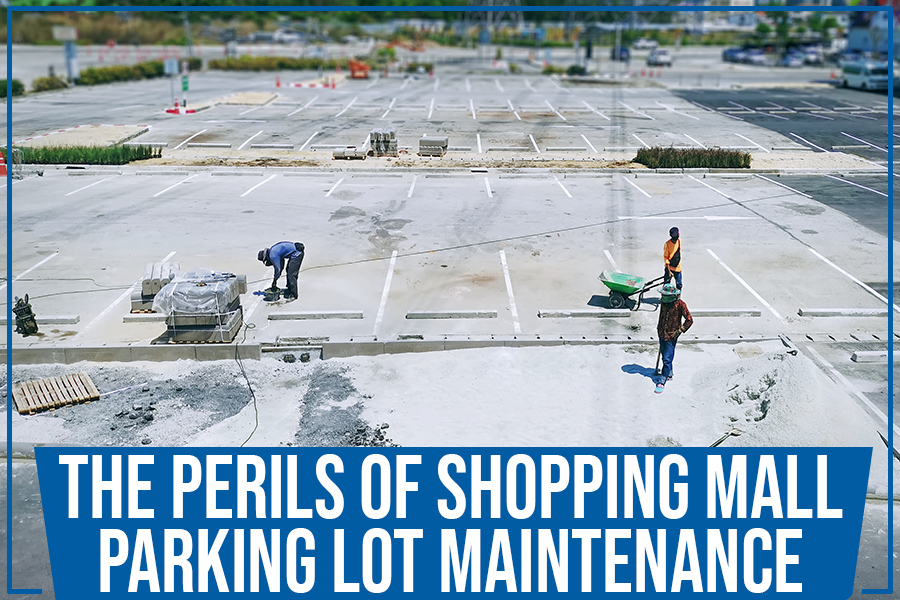
At Bay Country Contractor, we understand maintaining a shopping mall parking lot is more than just appearance, it’s crucial for safety, liability, and the overall experience of visitors. Over time, the wear and tear from heavy traffic, weather conditions, and the lack of routine upkeep can turn your commercial property’s parking lot into a liability. If you’re a parking lot or building manager, understanding the importance of parking lot paving and commercial parking lot sealcoating can help protect your investment and ensure the longevity of your property.
Why Parking Lot Maintenance Matters
Neglecting parking lot paving can lead to costly repairs and even potential lawsuits. Cracks and potholes not only create tripping hazards for pedestrians but also damage vehicles, increasing the risk of accidents and injuries. The visual appeal of your shopping mall’s parking lot also plays a huge role in attracting customers. A well-maintained parking lot with clean, defined line striping reflects a sense of care and professionalism.
The Consequences of Poor Parking Lot Maintenance
When parking lot maintenance is ignored, it becomes more than just a cosmetic issue. Structural damage, like cracks and potholes, can deteriorate quickly, leading to more significant repairs. Parking lot paving contractors recommend regular inspections and maintenance to prevent these issues from escalating. Delayed repairs can lead to water seeping into the asphalt, weakening the foundation, and causing long-term damage that is both costly and time-consuming to fix.
Here are some key reasons why maintaining your parking lot is essential:
- The Cost of Parking Lot Repairs: Neglecting parking lot maintenance can lead to expensive repairs. Regular upkeep helps prevent costly damage and extends the life of your lot.
- Safety & Liability Issues: Neglecting parking lot maintenance also increases liability risks. If someone gets injured due to hazards like potholes, you could be held responsible, if proper upkeep could have prevented the issue.
- Losing Business: Customers may avoid visiting the mall if the lot is in poor shape. Their absence can result in revenue loss.
- Poor Curb Appeal: A poorly maintained parking lot creates a negative impression of the entire mall, discouraging potential customers and leading to a potential loss in revenue.
The Role of Commercial Sealcoating in Parking Lot Preservation
Commercial sealcoating is one of the most effective ways to extend the life of your asphalt surface. Sealcoating acts as a protective barrier against UV rays, chemicals, and water, all of which contribute to the deterioration of your parking lot. By investing in commercial parking lot sealcoating, you can prevent minor surface cracks from becoming deep structural issues that require expensive repairs. In addition, sealcoating enhances the appearance of your parking lot, giving it a fresh, clean look while improving traction and overall safety.
Line Striping: The Key to Organization and Safety
A well-maintained parking lot is not just about the surface quality; line striping plays a crucial role in ensuring safety and organization. Faded or poorly marked lines can cause confusion, leading to parking violations, traffic congestion, and accidents. As a line striping contractor, ensuring your parking lot is clearly marked will make it easier for customers to navigate and park safely. Regular line striping maintenance keeps the parking lot organized and helps prevent chaos during peak business hours.
The Financial Impact of Parking Lot Neglect
One of the primary concerns for parking lot and building managers is the financial impact of deferred maintenance. When small cracks and potholes are ignored, they quickly escalate into significant problems that require full asphalt paving services. Proactive maintenance like commercial parking lot sealcoating and line striping is far more affordable than a full replacement, saving you thousands in future repairs
Asphalt and Concrete Parking lot Maintenance in Virgina & Maryland
From asphalt repair to concrete parking lot resurfacing, Bay Country Contractors, serving Alexadria, VA, Fredricksburg, VA, & Leonardtown, MD are your ultimate solution. Our commercial asphalt and concrete maintenance service will restore the flair of your parking lot to its glorious days. With our affordable rates, you cannot afford to miss our services. Click here for more areas served
Get your free estimate on asphalt and concrete maintenance today!

Do you want to add something new to your boring old patio but are unsure how? How about a complete teardown of the existing patio to an upgrade with stone pavers?
You can use stone creatively to add style, depth, and functionality. You can create customized looks for your patio area according to its surrounding spaces & surfaces - mix various stone paver types if necessary. Experimenting comes naturally when utilizing stone pavers due to their texture-rich surface areas!
Still skeptical at this point over a bunch of patio pavers? Fret not; Bay Country Contractors are no novices when it comes to sprucing up your residential hardscape. Here are just a few ideas from a wide range of ways you can utilize pavers for a patio upgrade!
1) Outdoor Entertainment Area
Create an outdoor entertainment area by using stone pavers to create a large patio space with comfortable seating and a coffee table – perfect for hosting parties or relaxing with friends outdoors!
2) Garden Borders
Use stone paver walls as garden borders – this will add extra interest AND help define the boundaries of your garden neatly!
3) Mixing and Matching
To make an interesting path throughout your garden, cleverly alternate between stone pavers and mulch/crushed gravel - creating depth & uniqueness; plus allowing guests easy access to getting around!
4) Pool Corners
Surround your pool with stone pavers in fun, bright colors for a summery feel that will make you want to dive right in! Consider adding a paving path from your pool area to outdoor seating arrangements.
5) Paver Stones as Stepping Stones
For a rustic look that is both practical and visually appealing, use stone pavers of varying sizes as stepping stones throughout your garden – this is perfect for those difficult-to-mow areas!
6) Circular Patio Designs
If you have sufficient space, consider adding a stone paver patio with a central fire pit – stone pavers are the perfect way to achieve a clean, classic look. Plus, this design is bound to be a conversation starter at your next gathering!
7) Furniture Foundation
Setting up furniture on the grass results in unwanted small holes on the lawn. Instead, use pavers and gravel to create a rock-solid foundation for your outdoor seating area. This method also allows for easy rearranging – no more heavy lifting!
8) Patterned Patio
Use stone pavers to create a patterned patio design. You can go for a classic look with a simple herringbone or basket weave pattern or get creative with a more complex design. Patterned stone pavers are a great way to add visual interest to your patio space.
Stone pavers are a versatile and stylish addition to any patio design. With so many ways to use them, the possibilities are endless! So, get creative and let your stone pavers take your patio design to the next level.
We’ve got you covered if you’re looking for ideas on using stone pavers on your patio in Alexandria, VA. From creating curves and patterns to incorporating water features, the creative ideas above will help get you started. And if you need assistance bringing your vision to life, our team at Bay Country Contractors is here to assist. Get in touch with us today for a free estimate, and start planning your dream patio today!

People opt for asphalt when paving their driveways and other contracting projects for various reasons. The thick black and highly viscous substance can improve the aesthetics, functionality, and safety of any outdoor surface.
Asphalt combines natural compounds, including rock, sand, and bitumen. It is ideal for paving since it can adhere to any surface and is highly suitable for withstanding heavy traffic.
However, all asphalt is not the same. Bay Country Contractors is your reputable asphalt contractor in Ashburn, VA. In this guide, we will share five different kinds of asphalt paving methods every contractor should know about.
Hot Mix Asphalt
Arguably the most commonly used type of asphalt paving technique is the hot mix asphalt. As the name suggests, to make this type of asphalt, contractors need to heat rock and sand until it reaches a temperature between 275- and 300-degrees Fahrenheit. The mixture is then combined with bitumen—a black and sticky substance derived from petroleum.
Warm Mix Asphalt
Warm Mix Asphalt is ideal for construction projects located in areas with high temperatures. You can carry out this kind of asphalt paving by adding wax or asphaltenes—a substance derived from petroleum—into the mix. The addition of these materials prevents the asphalt from hardening when exposed to high temperatures.
Cold Mix Asphalt
Unlike hot mix and warm mix asphalt, cold mix asphalt does not need to be heated. Emulsified asphalts or cutbacks are used as a binder, and the mixture is then combined with aggregate.
Contractors use cold mix asphalt for projects in cold weather regions or areas with high altitudes. You can use it as a temporary fix for potholes or other minor damage.
Dense-Graded Asphalt
Dense-graded asphalt is a mix of coarse and fine aggregates, with the fine aggregates filling in the spaces between the coarse ones. This asphalt paving method is used for highways and other high-traffic areas.
Asphalt contractors use this coarse and fine aggregate combination of 3/8-inch (9.5 mm) coarse aggregate and sand.
Porous Asphalt
Porous asphalt is a type of asphalt paving method used when you need a surface which allows water to drain through it. It is used in areas with the risk of flooding or runoff, such as parking lots, golf courses, and bicycle paths.
Porous asphalt is made by adding larger aggregate to the mix and using less binder. This creates more voids, or spaces, in the pavement where water can drain through.
How to Hire a Reputable Asphalt Contractor in Ashburn, VA?
Before you hire an asphalt contractor in Ashburn, VA, be sure to do your research. Ask for referrals from friends or family and check online reviews. Once you’ve found a few contractors that you’re interested in, meet with them to discuss your project and get quotes. Ask about their experience, if they offer warranties, and whether they are appropriately licensed and insured.
You can put all your worries to rest by opting for Bay Country Contractors, serving Ashburn, VA. We provide stone placement, site concrete, and asphalt installation services for all your commercial needs.
Storm Water Management Options And How They Can Fail
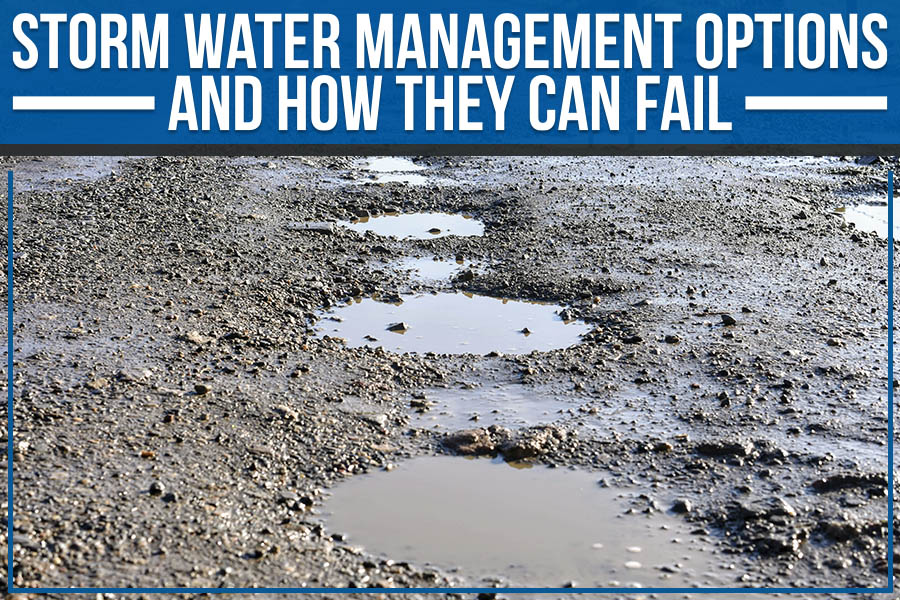
When it comes to rain and storms, most people think about umbrellas, ponchos, and staying dry. However, in city planning and engineering, stormwater is a considerable concern. When rain falls on paved surfaces like roads and parking lots, the water doesn’t soak into the ground like in nature. Instead, the water rushes over these hard surfaces, leading to severe flooding problems.
In this blog post, we’ll explore some of the different stormwater management options available to cities and engineers and see why they can fail. Stay dry city dweller!
What’s the Need for Storm Water Management?
As we mentioned before, stormwater can lead to serious flooding problems. Flooding can damage homes and businesses, destroy crops, contaminate drinking water, and lead to injuries and even fatalities.
Flooding also causes a lot of environmental damage. When stormwater rushes over the land, it can pick up pollutants like oil, grease, and chemicals. This polluted water then flows into rivers, lakes, and streams, harming plant and animal life.
Stormwater can also erode soil, leading to landslides. And when stormwater mixes with sewage, it can create health hazards for people and animals.
So, what can be done to manage stormwater and prevent all of these problems?
Ways to Manage Storm Water:
Stormwater management options include both structural and non-structural methods. We will look further into the structural plan.
Structural methods involve the construction of physical structures like dams, levees, and retention ponds.
None of the methods are fail-proof, but they can effectively manage stormwater when they are used together.
Green Infrastructure:
Green roofs are a significant component of green infrastructure. Green roofs are vegetated roofs that help to absorb water and reduce runoff. They can also help to insulate a building and lower energy costs. Green roofs are deceptively simple and very effective, but they require maintenance and can be expensive to install.
Detention Basins and Retention Ponds:
Detention basins and retention ponds are standard water management tools. They are usually excavated areas that collect and detain water until it can be released slowly into the environment. These water management tools can be very effective but require regular maintenance and can become breeding grounds for mosquitoes.
Vegetated Swales:
Vegetated swales are shallow, grass-lined channels that collect and filter water. They are often used with other water management tools, such as detention ponds. Swales can be an effective water management tool but require regular mowing and maintenance. They can become overgrown and clogged with debris if they are not properly maintained.
Rain Gardens:
Rain gardens are shallow depressions constructed in the landscape to collect and filter water. They are often planted with native plants that are tolerant of wet conditions. Rain gardens naturally remove pollutants from water, but they require regular maintenance. Rain gardens can effectively manage water, but constructing one requires much space.
Grey Infrastructure:
Grey infrastructure is a term used to describe traditional water management systems such as storm sewers, pipes, and treatment plants. Grey infrastructure is designed to move water away from developed areas as quickly as possible. While grey infrastructure effectively manages stormwater, it can also be costly to build and maintain. In addition, grey infrastructure can create environmental problems such as water pollution and habitat loss.
Conclusion:
Stormwater management systems are an amalgamation of both green and grey infrastructure. Cleaning, managing, and reusing water is essential to the future of water management.
At Bay Country Contractors, serving Stafford, VA, we understand the importance of water management. We have a team of experts who can help you choose and install the right stormwater management system for your residential or commercial property.
Connect with us


We Provide Full-Service Maintenance And Site Development Services For Virginia And Maryland.


Quick Links
Information
- 26825 Point Lookout Rd, Leonardtown, MD 20650
- 3504 Plank Rd Suite 302, Fredericksburg, VA 22407
- 44927 George Washington Blvd Suite 265, Ashburn, VA 20147
| Hours | |
|---|---|
| Monday | 8:00AM - 5:00PM |
| Tuesday | 8:00AM - 5:00PM |
| Wednesday | 8:00AM - 5:00PM |
| Thursday | 8:00AM - 5:00PM |
| Friday | 8:00AM - 5:00PM |
| Saturday | Closed |
| Sunday | Closed |