Bay Country Contractors

Blog / Bay Country Contractors Blog

Blog

All Bay Country Contractors Blog Bay Country Contractors Service Leonardtown Plumbing Dealer Leonardtown Plumbing Service
How Do I Keep My Concrete Basement in the Best Shape?

How Do I Keep My Concrete Basement In The Best Shape?

Key Takeaways: Regularly cleaning and vacuuming your concrete basement will help prevent dirt and dust buildup and keep the floors looking their best. It's also important to repair any damage as soon as possible to maintain the condition of your basement. Always hire a contractor who’s experienced, has a good reputation, and uses high-quality products for basement construction. Homeowners want to do everything to keep their homes in the best condition possible. But there's a part that needs special attention - your basement. It’s a key part of your home, but it often goes overlooked when it comes to upkeep. It houses your furnace, water heater, electrical panel, and perhaps your washer and dryer. Not to mention, it's where you store all those holiday decorations and extra cans of paint. But because it's out of sight and out of mind, your basement is often the last place you think about when it comes to home maintenance. That's a mistake. Neglecting your basement can lead to severe problems, like flooding, mold, and structural damage. Why is Concrete the Best Material for the Basement? Concrete is one of the most popular choices for basement construction because it is strong, durable, and does not rot or grow mildew. Additionally, concrete is fire-resistant and termite-proof, making it an excellent choice for areas susceptible to these pests. It’s also a great option for budget-conscious homeowners. However, while concrete is an excellent choice for basement construction, it is essential to note that this material requires some maintenance to keep it looking its best. So how do you keep your concrete basement in the best shape? Here are a few tips: 1. Inspect It Regularly You should inspect your basement yearly for water damage, cracks, or other problems. If you notice any potential issues, don't delay in getting them fixed. The sooner you address the issue, the less damage it will do to your basement (and wallet). 2. Waterproof Your Basement to Keep It Dry Water is your basement's worst enemy. It's necessary to waterproof your basement to keep it dry. There are several ways to waterproof your basement, so you'll need to consult a professional to figure out the best solution for your home. If you notice any leaks, no matter how small, it's essential to get them fixed right away. Leaks can cause water/mold damage & other serious problems. 3. Keep It Dry and Free of Moisture It’s important to keep your basement moisture-free. To keep it dry, you'll need to control the humidity levels in your basement. You can use a humidifier or ensure proper ventilation to keep it dry. Also, make sure there's adequate drainage around your foundation and fix any leaks right away. 4. Install A Sump Pump to Remove Water That Accumulates in The Basement If you live in an area with a high water table or your basement is prone to flooding, you may want to install a sump pump. This will help to remove any water that accumulates in the basement and keep your basement dry. 5. Repair the Cracks Another common problem in basements is cracks. These can be caused by everything from settling the foundation to water damage. If you notice any cracks, it's important to get them repaired immediately. Otherwise, they could cause severe problems down the road. 6. Don't Forget About Ventilation One of the most important things to remember about basement maintenance is ventilation. Basements can be prone to mold and mildew if not properly ventilated. Make sure your basement has enough ventilation to prevent these problems. 7. Keep An Eye on the Plumbing Plumbing in your basement requires special attention. It's important to keep an eye on it. Ensure there are no leaks & everything is in good working order. If you're not sure how to do this, you can always hire a professional to help you out. 8. Cover Concrete Floors with A Protective Sealant or Coating To protect your concrete floors from stains and other damage, it's a good idea to cover them with a protective sealant or coating. Many different concrete sealants on the market can do this, so make sure you choose one that's right for your needs. 9. Regularly Vacuum and Clean Your Basement to Prevent Dirt and Dust Buildup If you want to keep your concrete basement floors looking their best, it's important to vacuum and clean them regularly. This will prevent dirt & dust from accumulating & make the floors look dull and dirty. Following these simple tips, you can keep your concrete basement in the best shape possible. Remember to keep an eye on the condition of your basement and repair any damage as soon as possible. With proper care, your basement will last for many years to come. Tips to Hire a Concrete Contractor Some tips for hiring a concrete contractor for basement construction are given below: First, you want to ensure that the contractor is experienced and has a good reputation. Second, you want to be sure that the contractor uses high-quality materials and knows about reinforced concrete..Finally, you want to be sure that the contractor is licensed and insured. Follow these tips when hiring a concrete contractor to help you with basement construction. Conclusion It is important to remember to keep an eye on the condition of your basement and to repair any damage as soon as possible. With proper care, your basement will last for many years to come. Hiring a professional contractor who uses high-quality materials is the best way to ensure that your basement lasts for many years. Bay Country Contractors is a well-established, experienced construction company in Brandywine, MD. We proudly offer top-quality asphalt, stormwater management, and concrete services. Our team has the expertise and knowledge to handle any construction project, large or small. If you require our concrete services, please do not hesitate to contact us today. We are always eager to help you with all your construction needs! Get your free estimate now!
Water Conservation Tips For Stormwater Management

Water Conservation Tips For Stormwater Management

Water conservation is essential for everyone, but it's especially critical for those who live in areas with stormwater management systems. When you conserve water, you're doing your part to keep the stormwater management system running efficiently and preventing flooding in your community. Bay Country Contractors will discuss some easy ways you can save water and help keep your community safe! 1. Harvesting Rainwater Rainwater is a valuable resource, and it's important to reuse it rather than waste it in the drains. Rainwater harvesting involves collecting and using this water for different purposes, such as watering your lawn or garden. You can also use it to flush toilets. You can also help conserve water by ensuring your gutters and downspouts are clean and debris-free. It will help ensure that rainwater flows freely through the system and doesn't cause any backups or flooding. 2. Check for Leaks in Your Home or Office Another easy way to conserve water is to check for leaks in your home and have them repaired as soon as possible. Leaks can lead to water wastage, so fixing them is crucial for conserving this precious resource. 3. Recycling Water Recycling water is another excellent way to conserve water. It involves collecting used water from the kitchen and laundry for reuse for different purposes, such as watering your lawn or garden. You can also use greywater, which is water that has been used for bathing or washing dishes. Greywater can be reused for things like flushing toilets or watering plants. 4. Saving Water by Reducing Unnecessary Use Finally, educate your family and friends about the importance of water conservation. You can help others learn how to conserve this vital resource by spreading the word. Together, we can create a big difference in how we use water! Here are a few tips to help you reduce your water consumption: Install Low-Flow Fixtures In Your Home It is the easiest way to reduce your water consumption. You can also use low-flow fixtures in your homes, such as showerheads and toilets. These fixtures utilize less water than traditional models, which can help you save water over time. Water Your Plants During the Cooler Time of the Day Water evaporates quickly in hot weather, so watering your plants during the cooler hours of the day will help them retain moisture. Mulch your garden Mulching helps to reduce evaporation and keep moisture in the soil. It means that you won't have to water your plants as often. Ending Note By conserving water, you're not only doing your part to help the environment, but you're also helping to keep your community safe. Bay Country Contractors serving Fredericksburg, VA, would like to offer our services to help make this process easy for you. We can provide a free estimate so that you can see how much money you can save by installing a stormwater management system. Contact us today, and let's get started!

The Perils Of Shopping Mall Parking Lot Maintenance

The Perils Of Shopping Mall Parking Lot Maintenance

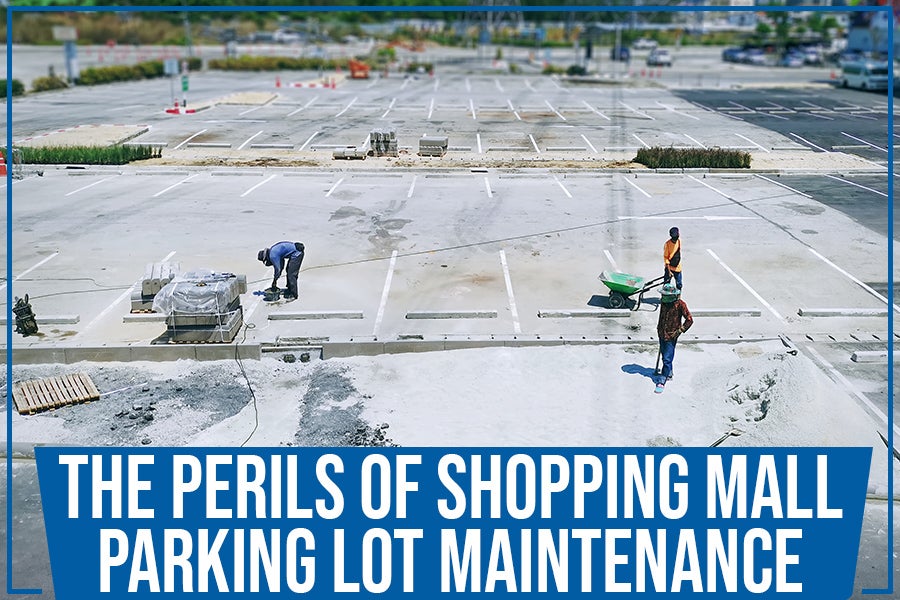
At Bay Country Contractor, we understand maintaining a shopping mall parking lot is more than just appearance, it’s crucial for safety, liability, and the overall experience of visitors. Over time, the wear and tear from heavy traffic, weather conditions, and the lack of routine upkeep can turn your commercial property’s parking lot into a liability. If you’re a parking lot or building manager, understanding the importance of parking lot paving and commercial parking lot sealcoating can help protect your investment and ensure the longevity of your property. Why Parking Lot Maintenance Matters Neglecting parking lot paving can lead to costly repairs and even potential lawsuits. Cracks and potholes not only create tripping hazards for pedestrians but also damage vehicles, increasing the risk of accidents and injuries. The visual appeal of your shopping mall’s parking lot also plays a huge role in attracting customers. A well-maintained parking lot with clean, defined line striping reflects a sense of care and professionalism. The Consequences of Poor Parking Lot Maintenance When parking lot maintenance is ignored, it becomes more than just a cosmetic issue. Structural damage, like cracks and potholes, can deteriorate quickly, leading to more significant repairs. Parking lot paving contractors recommend regular inspections and maintenance to prevent these issues from escalating. Delayed repairs can lead to water seeping into the asphalt, weakening the foundation, and causing long-term damage that is both costly and time-consuming to fix. Here are some key reasons why maintaining your parking lot is essential: The Cost of Parking Lot Repairs: Neglecting parking lot maintenance can lead to expensive repairs. Regular upkeep helps prevent costly damage and extends the life of your lot. Safety & Liability Issues: Neglecting parking lot maintenance also increases liability risks. If someone gets injured due to hazards like potholes, you could be held responsible, if proper upkeep could have prevented the issue. Losing Business: Customers may avoid visiting the mall if the lot is in poor shape. Their absence can result in revenue loss. Poor Curb Appeal: A poorly maintained parking lot creates a negative impression of the entire mall, discouraging potential customers and leading to a potential loss in revenue. The Role of Commercial Sealcoating in Parking Lot Preservation Commercial sealcoating is one of the most effective ways to extend the life of your asphalt surface. Sealcoating acts as a protective barrier against UV rays, chemicals, and water, all of which contribute to the deterioration of your parking lot. By investing in commercial parking lot sealcoating, you can prevent minor surface cracks from becoming deep structural issues that require expensive repairs. In addition, sealcoating enhances the appearance of your parking lot, giving it a fresh, clean look while improving traction and overall safety. Line Striping: The Key to Organization and Safety A well-maintained parking lot is not just about the surface quality; line striping plays a crucial role in ensuring safety and organization. Faded or poorly marked lines can cause confusion, leading to parking violations, traffic congestion, and accidents. As a line striping contractor, ensuring your parking lot is clearly marked will make it easier for customers to navigate and park safely. Regular line striping maintenance keeps the parking lot organized and helps prevent chaos during peak business hours. The Financial Impact of Parking Lot Neglect One of the primary concerns for parking lot and building managers is the financial impact of deferred maintenance. When small cracks and potholes are ignored, they quickly escalate into significant problems that require full asphalt paving services. Proactive maintenance like commercial parking lot sealcoating and line striping is far more affordable than a full replacement, saving you thousands in future repairs Asphalt and Concrete Parking lot Maintenance in Virgina & Maryland From asphalt repair to concrete parking lot resurfacing, Bay Country Contractors, serving Alexadria, VA, Fredricksburg, VA, & Leonardtown, MD are your ultimate solution. Our commercial asphalt and concrete maintenance service will restore the flair of your parking lot to its glorious days. With our affordable rates, you cannot afford to miss our services. Click here for more areas served Get your free estimate on asphalt and concrete maintenance today!

8 Creative Ways To Use Stone Pavers In Your Patio Design

8 Creative Ways To Use Stone Pavers In Your Patio Design

Do you want to add something new to your boring old patio but are unsure how? How about a complete teardown of the existing patio to an upgrade with stone pavers? You can use stone creatively to add style, depth, and functionality. You can create customized looks for your patio area according to its surrounding spaces & surfaces -­ mix various stone paver types if necessary. Experimenting comes naturally when utilizing stone pavers due to their texture-rich surface areas! Still skeptical at this point over a bunch of patio pavers? Fret not; Bay Country Contractors are no novices when it comes to sprucing up your residential hardscape. Here are just a few ideas from a wide range of ways you can utilize pavers for a patio upgrade! 1) Outdoor Entertainment Area Create an outdoor entertainment area by using stone pavers to create a large patio space with comfortable seating and a coffee table – perfect for hosting parties or relaxing with friends outdoors! 2) Garden Borders Use stone paver walls as garden borders – this will add extra interest AND help define the boundaries of your garden neatly! 3) Mixing and Matching To make an interesting path throughout your garden, cleverly alternate between stone pavers and mulch/crushed gravel -­ creating depth & uniqueness; plus allowing guests easy access to getting around! 4) Pool Corners Surround your pool with stone pavers in fun, bright colors for a summery feel that will make you want to dive right in! Consider adding a paving path from your pool area to outdoor seating arrangements. 5) Paver Stones as Stepping Stones For a rustic look that is both practical and visually appealing, use stone pavers of varying sizes as stepping stones throughout your garden – this is perfect for those difficult-to-mow areas! 6) Circular Patio Designs If you have sufficient space, consider adding a stone paver patio with a central fire pit – stone pavers are the perfect way to achieve a clean, classic look. Plus, this design is bound to be a conversation starter at your next gathering! 7) Furniture Foundation Setting up furniture on the grass results in unwanted small holes on the lawn. Instead, use pavers and gravel to create a rock-solid foundation for your outdoor seating area. This method also allows for easy rearranging – no more heavy lifting! 8) Patterned Patio Use stone pavers to create a patterned patio design. You can go for a classic look with a simple herringbone or basket weave pattern or get creative with a more complex design. Patterned stone pavers are a great way to add visual interest to your patio space. Stone pavers are a versatile and stylish addition to any patio design. With so many ways to use them, the possibilities are endless! So, get creative and let your stone pavers take your patio design to the next level. We've got you covered if you’re looking for ideas on using stone pavers on your patio in Alexandria, VA. From creating curves and patterns to incorporating water features, the creative ideas above will help get you started. And if you need assistance bringing your vision to life, our team at Bay Country Contractors is here to assist. Get in touch with us today for a free estimate, and start planning your dream patio today!

5 Types Of Asphalt Paving Methods A Contractor Should Know About

5 Types Of Asphalt Paving Methods A Contractor Should Know About

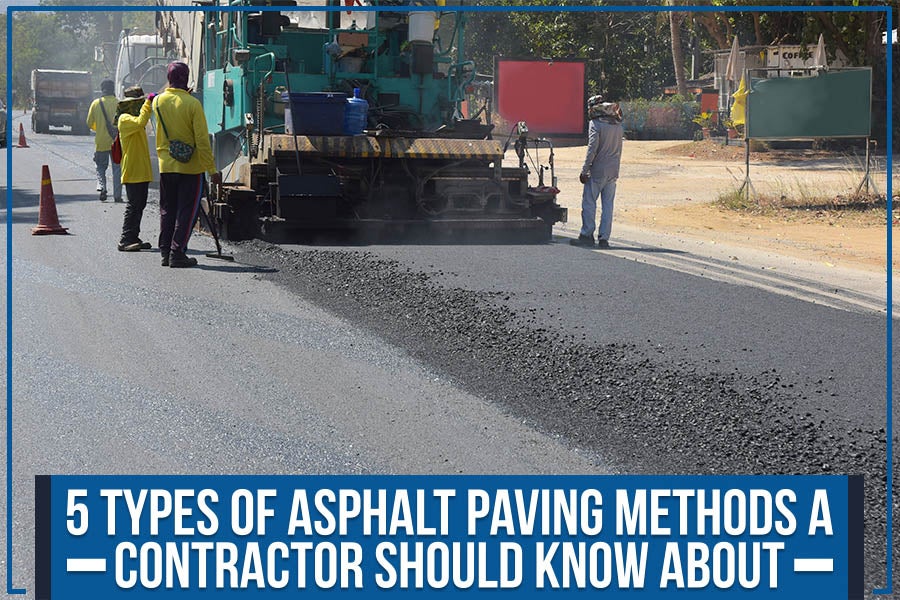
People opt for asphalt when paving their driveways and other contracting projects for various reasons. The thick black and highly viscous substance can improve the aesthetics, functionality, and safety of any outdoor surface. Asphalt combines natural compounds, including rock, sand, and bitumen. It is ideal for paving since it can adhere to any surface and is highly suitable for withstanding heavy traffic. However, all asphalt is not the same. Bay Country Contractors is your reputable asphalt contractor in Ashburn, VA. In this guide, we will share five different kinds of asphalt paving methods every contractor should know about. Hot Mix Asphalt Arguably the most commonly used type of asphalt paving technique is the hot mix asphalt. As the name suggests, to make this type of asphalt, contractors need to heat rock and sand until it reaches a temperature between 275- and 300-degrees Fahrenheit. The mixture is then combined with bitumen—a black and sticky substance derived from petroleum. Warm Mix Asphalt Warm Mix Asphalt is ideal for construction projects located in areas with high temperatures. You can carry out this kind of asphalt paving by adding wax or asphaltenes—a substance derived from petroleum—into the mix. The addition of these materials prevents the asphalt from hardening when exposed to high temperatures. Cold Mix Asphalt Unlike hot mix and warm mix asphalt, cold mix asphalt does not need to be heated. Emulsified asphalts or cutbacks are used as a binder, and the mixture is then combined with aggregate. Contractors use cold mix asphalt for projects in cold weather regions or areas with high altitudes. You can use it as a temporary fix for potholes or other minor damage. Dense-Graded Asphalt Dense-graded asphalt is a mix of coarse and fine aggregates, with the fine aggregates filling in the spaces between the coarse ones. This asphalt paving method is used for highways and other high-traffic areas. Asphalt contractors use this coarse and fine aggregate combination of 3/8-inch (9.5 mm) coarse aggregate and sand. Porous Asphalt Porous asphalt is a type of asphalt paving method used when you need a surface which allows water to drain through it. It is used in areas with the risk of flooding or runoff, such as parking lots, golf courses, and bicycle paths. Porous asphalt is made by adding larger aggregate to the mix and using less binder. This creates more voids, or spaces, in the pavement where water can drain through. How to Hire a Reputable Asphalt Contractor in Ashburn, VA? Before you hire an asphalt contractor in Ashburn, VA, be sure to do your research. Ask for referrals from friends or family and check online reviews. Once you’ve found a few contractors that you’re interested in, meet with them to discuss your project and get quotes. Ask about their experience, if they offer warranties, and whether they are appropriately licensed and insured. You can put all your worries to rest by opting for Bay Country Contractors, serving Ashburn, VA. We provide stone placement, site concrete, and asphalt installation services for all your commercial needs. Get your free estimate!

Storm Water Management Options And How They Can Fail

Storm Water Management Options And How They Can Fail

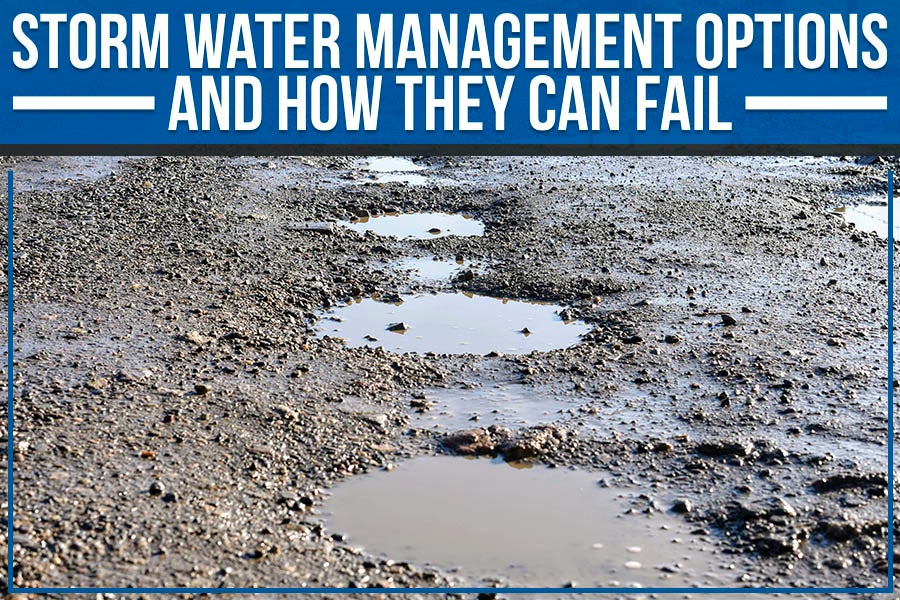
When it comes to rain and storms, most people think about umbrellas, ponchos, and staying dry. However, in city planning and engineering, stormwater is a considerable concern. When rain falls on paved surfaces like roads and parking lots, the water doesn't soak into the ground like in nature. Instead, the water rushes over these hard surfaces, leading to severe flooding problems. In this blog post, we'll explore some of the different stormwater management options available to cities and engineers and see why they can fail. Stay dry city dweller! What's the Need for Storm Water Management? As we mentioned before, stormwater can lead to serious flooding problems. Flooding can damage homes and businesses, destroy crops, contaminate drinking water, and lead to injuries and even fatalities. Flooding also causes a lot of environmental damage. When stormwater rushes over the land, it can pick up pollutants like oil, grease, and chemicals. This polluted water then flows into rivers, lakes, and streams, harming plant and animal life. Stormwater can also erode soil, leading to landslides. And when stormwater mixes with sewage, it can create health hazards for people and animals. So, what can be done to manage stormwater and prevent all of these problems? Ways to Manage Storm Water: Stormwater management options include both structural and non-structural methods. We will look further into the structural plan. Structural methods involve the construction of physical structures like dams, levees, and retention ponds. None of the methods are fail-proof, but they can effectively manage stormwater when they are used together. Green Infrastructure: Green roofs are a significant component of green infrastructure. Green roofs are vegetated roofs that help to absorb water and reduce runoff. They can also help to insulate a building and lower energy costs. Green roofs are deceptively simple and very effective, but they require maintenance and can be expensive to install. Detention Basins and Retention Ponds: Detention basins and retention ponds are standard water management tools. They are usually excavated areas that collect and detain water until it can be released slowly into the environment. These water management tools can be very effective but require regular maintenance and can become breeding grounds for mosquitoes. Vegetated Swales: Vegetated swales are shallow, grass-lined channels that collect and filter water. They are often used with other water management tools, such as detention ponds. Swales can be an effective water management tool but require regular mowing and maintenance. They can become overgrown and clogged with debris if they are not properly maintained. Rain Gardens: Rain gardens are shallow depressions constructed in the landscape to collect and filter water. They are often planted with native plants that are tolerant of wet conditions. Rain gardens naturally remove pollutants from water, but they require regular maintenance. Rain gardens can effectively manage water, but constructing one requires much space. Grey Infrastructure: Grey infrastructure is a term used to describe traditional water management systems such as storm sewers, pipes, and treatment plants. Grey infrastructure is designed to move water away from developed areas as quickly as possible. While grey infrastructure effectively manages stormwater, it can also be costly to build and maintain. In addition, grey infrastructure can create environmental problems such as water pollution and habitat loss. Conclusion: Stormwater management systems are an amalgamation of both green and grey infrastructure. Cleaning, managing, and reusing water is essential to the future of water management. At Bay Country Contractors, serving Stafford, VA, we understand the importance of water management. We have a team of experts who can help you choose and install the right stormwater management system for your residential or commercial property. Get a free estimate today!

6 Asphalt Paving Scams Of The Season!

6 Asphalt Paving Scams Of The Season!

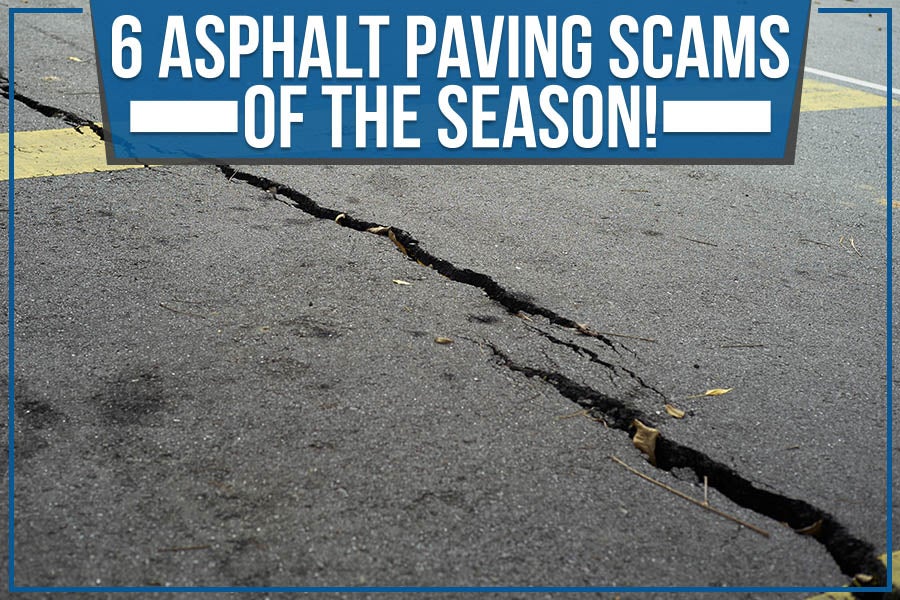
Does your driveway need an update? Well, with summer here, asphalt paving season is upon us! And with it come the inevitable scams that try to take advantage of unsuspecting property owners. So, are you dreading the thought of dealing with shady contractors? Don't worry; we've got you covered! This blog post lists common asphalt paving scams; you must watch out for! Stay alert for the following excuses. 1) The Low Ball Estimate This is when a contractor gives you an estimate much lower than the competition. They may even say they can do the job for half the price! Be wary; this could indicate that they will cut corners on the quality of materials and artistry. 2) The Pushy Salesman We've all had that salesperson who's just a little too pushy. With asphalt paving scams, the salesperson may pressure you into signing a contract on the spot. Or, they might say that the price is only reasonable if you act now. Don't let yourself be pressured into anything you're not comfortable with. 3) The Out-of-Town Contractor Some contractors will leverage their position by saying they're from out of town. They may say they can get materials at a discount because they buy in bulk. Or, they might say that they don't have to charge sales tax. Be wary of any contractor who doesn't have a local address or phone number. 4) Leftover Asphalt Scam This is a common scam, where the contractor tells you they have leftover asphalt from a previous job. They'll offer to pave your driveway at a reduced rate because they won't have to pay for new materials. However, these leftover materials are often of poor quality and won't last as long as fresh asphalt. 5) Watery Sealcoats Some unscrupulous contractors will try to pass off watered-down seal coats as the real thing. The inferior product won't protect your driveway as well as a quality seal coat; you'll need to replace it more often. 6) Overlays An asphalt overlay is a process in which a new layer of asphalt is laid over an existing one. This can be a legitimate way to repair damage or improve the appearance of your driveway. However, some contractors will try to sell you an overlay when you only need a seal coat. There are always a few scam artists looking to take advantage of unsuspecting homeowners. Stay alert for unlicensed and uninsured contractors and out-of-the-blue paving experts asking for hefty upfront compensation. However, with Bay Country Contractors, you can feel confident that you'll get desirable returns on your pavement investment. We offer reliable full-service asphalt maintenance and site development services in Stafford. Get a free estimate for your pavement project today.

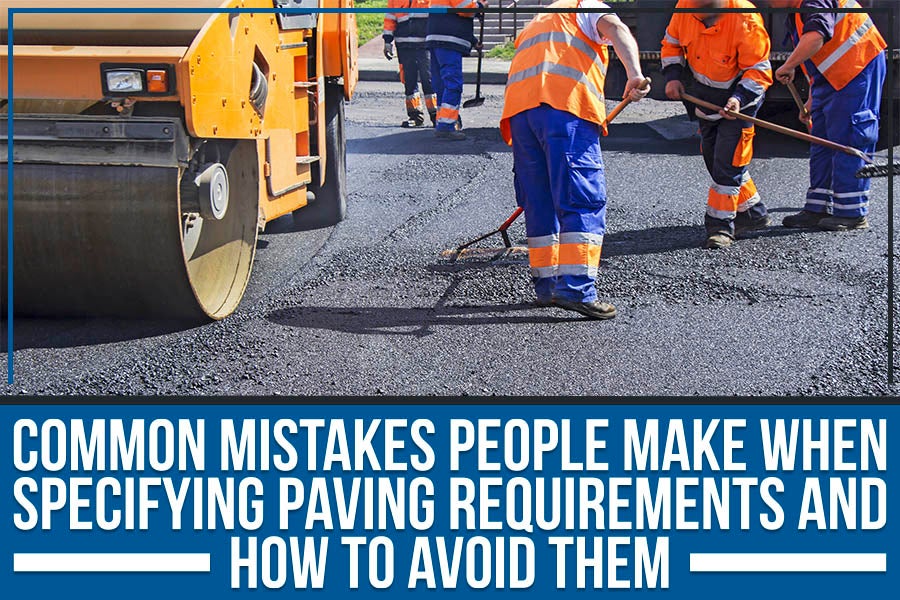
Common Mistakes People Make When Specifying Paving Requirements And How To Avoid Them

Common Mistakes People Make When Specifying Paving Requirements And How To Avoid Them

One of the most significant aspects of home ownership is maintaining your property. This includes regular upkeep and bigger projects like remodeling or making additions. If you're thinking about paving your driveway or patio, you must do your research first and avoid making common mistakes. In this blog post, Bay Country Contractors will outline the most common mistakes when specifying paving requirements and how to avoid them. Specifying Paving Needs: The Importance! Paving a driveway or patio is a significant investment. Not only do you want it to look good, but you also want it to last. That's why getting the specs right the first time is essential. But what exactly does that entail? Let's outline everything you need to know about specifying paving, from material selection to thickness. 1. Overlooking the Importance of a Good Base The most typical mistake people make when specifying paving is overlooking the importance of a good base. The base provides stability and support for the paving stones, so it must be made of high-quality materials. There are two main bases: granular (e.g., crushed stone) and cementitious (e.g., concrete). Granular bases are typically cheaper and easier to install, but they're not as durable as cementitious bases. Cementitious bases are more expensive and difficult to install, but they're much more durable and will last longer. So, which one should you choose? It depends on your budget and how long you want the pavement to last. A granular base may be the way to go if you're on a tight budget. But a cementitious floor is better if you want your pavement to last for many years. 2. Not Compacting the Base Once you've chosen the type of base you want to use, it's important to compact it properly. If you don't, the pavement will likely settle and crack over time. There are two main ways to compact a base: with a plate compactor or with a roller. Plate compactors are smaller and less expensive, but they're not as effective as rollers. Rollers are bigger and more expensive, but they do a better job of compacting the base. Which one should you choose? Again, it depends on your budget and how long you want the pavement to last. A plate compactor may be sufficient if you're on a tight budget. But a roller is better if you want your pavement to last for many years. 3. Choosing the Wrong Paving Material Many paving materials are available on the market, including concrete, asphalt, brick, and stone. Each type of material has its advantages and disadvantages. For example, concrete is very durable but can be challenging to repair if it cracks. Asphalt is less expensive than concrete, but it doesn't last as long. When choosing a paving material, you need to consider your budget, the climate where you live, and how much traffic the pavement will get. If you're unsure which type of material is best for your needs, consult a paving professional. They'll be able to help you select the suitable material and give you an estimate of the cost. Once you've selected a paving material, it's time to start thinking about the design. If you're not an experienced pavement designer, it's easy to make mistakes that can cost you a lot of money. Here's How Bay Country Contractors Can Help! Bay Country Contractors serving Ashburn, VA, offers Commercial Asphalt & Concrete Maintenance & Repairs. We can help you select the suitable material for your needs and budget, and we have the experience and expertise to install it properly. We also offer maintenance and repair services to keep your pavement looking its best. If you need help with paving, get a free estimate from Bay Country Contractors today!

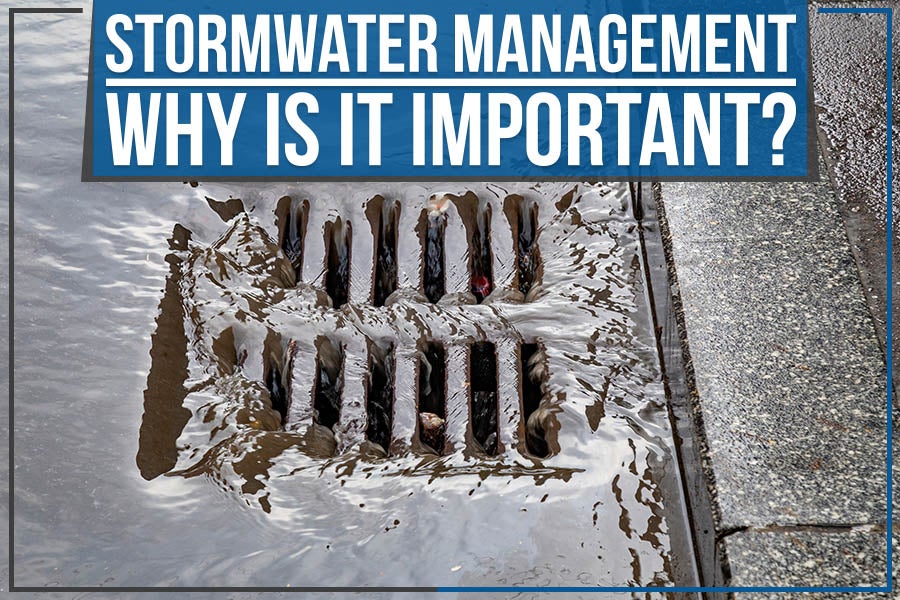
Stormwater Management: Why Is It Important?

Stormwater Management: Why Is It Important?

Where does the rainwater go when it rains? Many people do not consider this subject until it is too late. The matter is that stormwater management is essential for keeping our communities and environment healthy. Bay Country Contractors will discuss stormwater management and its importance in this blog post. We'll also explain how to keep your neighborhood safe from stormwater damage. What is stormwater management? According to the Environmental Protection Agency in the US, stormwater management attempts to limit the water runoff from precipitation or melted snow into roadways, lawns, and other locations while improving water quality. Stormwater is filtered into the soil and eventually fills aquifers or runs into streams and rivers. When heavy rains fall, the saturated earth produces extra moisture, which rushes across the surface and into storm sewers and road ditches. This water frequently transports trash, chemicals, bacteria, eroded soil, and other contaminants into streams, rivers, lakes, or wetlands. Importance of stormwater management: Reduce water pollution: Soil works as a natural filter for precipitation, providing relatively pure water to rivers and groundwater sources. This process is absent in metropolitan areas, where rainwater travels across hard surfaces before entering storm drains. In this situation, water brings waste, chemicals, pathogens, silt, and other contaminants straight into streams, rivers, lakes, and wetlands. As a result, collecting runoff and removing toxins before releasing them into local waterways is one of the stormwater management goals. Stop storm and sanitary sewage system overflow: Stormwater facilities of various sorts are meant to store excess rainwater, but careful capacity estimations are required to avoid overflow. The same is true with sanitary sewer systems. Stormwater runoff does not travel through a treatment plant on its route to nearby waterways. Still, the sewer system itself may overflow if suitable stormwater management systems are not constructed and maintained. Reduce floods and erosion: When water falls on impervious surfaces, it flows quickly rather than slowly, soaking into the land. If not handled appropriately, this can result in floods, erosion, and infrastructure damage. Runoff may be managed and regulated with the proper stormwater infrastructure, averting devastating floods and decreasing soil erosion. Keep the natural hydrologic cycle: Stormwater management is important for sustaining healthy streams, lakes, and aquatic life and supporting human usage by preserving the natural hydrologic cycle. Without effective stormwater management, infiltration can lower soil replenishment and groundwater recharge. It is worth emphasizing that soil moisture is necessary for plant survival, which is why it plays a part in maintaining the natural hydrologic cycle. Comply with federal environmental laws: Stormwater monitoring and control are becoming increasingly important as federal water quality rules become more strict. Businesses should prioritize stormwater management if only to avoid fines and penalties. At Bay Country Contractors, we offer industry-leading stormwater management services to business owners in Stafford, VA. Our experts will check your property's storm plumbing and retention system to determine necessary repairs, and we will then give an estimate for those repairs. Get a free estimate!

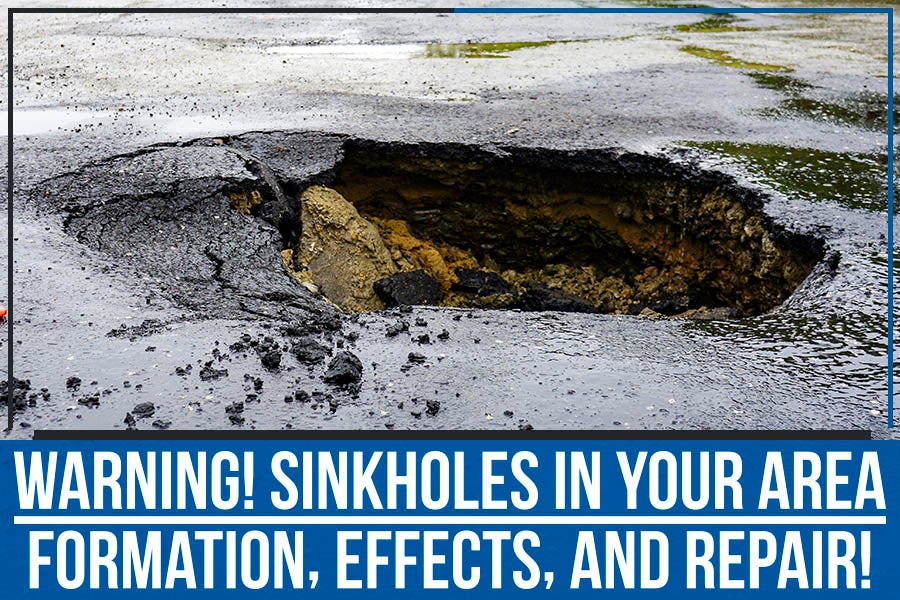
Warning! Sinkholes In Your Area: Formation, Effects, And Repair!

Warning! Sinkholes In Your Area: Formation, Effects, And Repair!

If you live in a place prone to sinkholes, you must know what they are and what to do if one forms near your home or business. Sinkholes can occur suddenly, and without warning, so it is essential to be prepared. Bay Country Contractors will discuss sinkholes' formation, effects, and repair. We will also provide tips to protect your property from sinkholes. Sinkhole Formation and Effects Sinkholes are formed when water erodes the rock or soil beneath the ground’s surface. This formation can take days, weeks, or even years. When enough material has been eroded, the floor above it will collapse, forming a sinkhole. Sinkholes can range in size from a few feet to several acres. Depending on the material that has been eroded, sinkholes can develop gradually or suddenly. The effects of sinkholes can be devastating. They can damage homes, businesses, roads, and other infrastructure. In some cases, they can cause injuries or even death if people or animals fall into them. Sinkholes can also disrupt water supplies and change the landscape dramatically. Sinkholes can also create environmental problems by draining groundwater and polluting aquifers. So, it’s critical to protect your property from sinkholes. Signs of Sinkhole Formation It is necessary to be aware of the signs of sinkhole formation. These include cracks in walls or floors, doors or windows that won't close properly and sudden changes in groundwater level. If you suspect sinkhole formation, it's essential to contact a professional sinkhole repair company as soon as possible. While sinkholes can be dangerous and destructive, they are also a part of nature. With proper awareness and preparation, we can minimize the damage they cause and keep our communities safe. Detecting Sinkholes Report it to authorities or municipalities immediately if you see cracked, waterlogged, and depressed land or pavement. There is a high probability the region could be depressing by unstable soil, a ruptured utility, or a possible subterranean collapse. With proper precautions and quick action, we can minimize the damage caused by these high-risk natural phenomena. Repairing Sinkholes Repairing a sinkhole is a complex and expensive process. It often requires heavy machinery to remove debris and stabilize the surrounding area. In some cases, the entire affected site must be excavated and replaced with new material. There are several ways to repair sinkholes. One method is to fill the hole with soil or concrete. It is often used for small sinkholes. Engineers may build walls around the hole's edge for larger sinkholes to stabilize it. In some cases, sinkholes can be filled with grout, a type of concrete that is injected into the ground. Of course, all this requires the sinkholes to be stabilized with required aggregates. Ending Note Sinkholes can form anywhere and anytime, so everyone needs to know them. If you suspect a sinkhole, Bay Country Contractors, serving Charlotte Hall, MD, can help you take the essential measures to protect your property from sinkholes. We offer free estimates for our services, so please contact us today if you have any questions or concerns about sinkholes in your area. Thanks for reading!

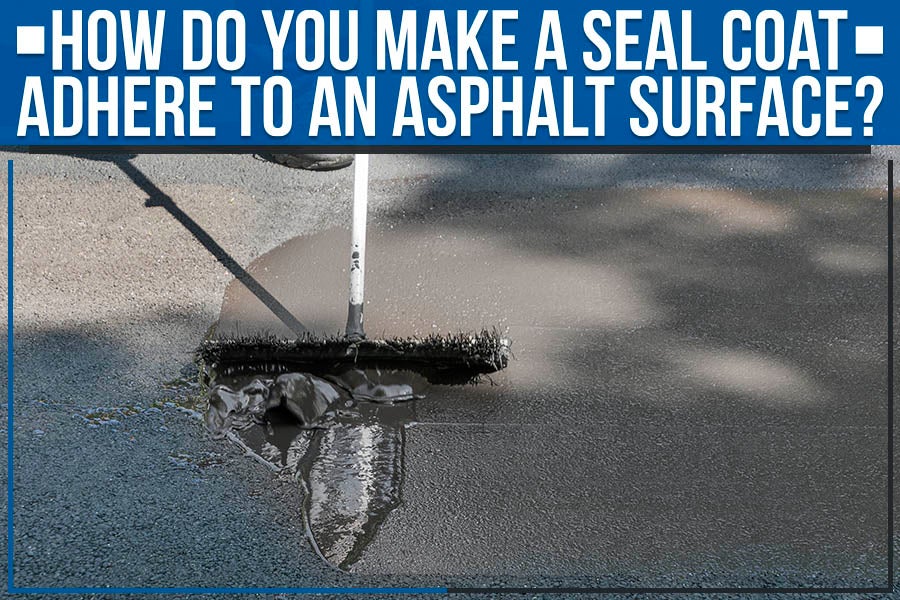
How Do You Make A Seal Coat Adhere To An Asphalt Surface?

How Do You Make A Seal Coat Adhere To An Asphalt Surface?

Sealcoating is an essential part of asphalt maintenance, as it helps protect the surface from weather and wear. But how do you make a seal coat adhere to an asphalt surface? It can be a challenge, as the seal coat needs to stick without bubbling or cracking. You should take a few steps to increase the likelihood of a good seal coat-asphalt surface bond. Stay with us as we learn how to make an asphalt driveway seal coat stick. Clean Surface is Essential: One of the essential things you can do to ensure a good bond is to start with a clean surface. Any dirt, grease, or other contaminants will prevent the seal coat from adhering correctly. Cleaning the surface can be done with a power washer or a stiff brush. You’ll also want to make sure the surface is dry before you begin applying the seal coat. If there’s any moisture present, it will evaporate and cause bubbles in the seal coat. The Right Temperature is Essential: The asphalt surface should be warm enough that the seal coat can flow easily but not so hot that it starts to melt. If it's too cold, the seal coat will be challenging to apply evenly. You want the surface to be between 60 and 80 degrees Fahrenheit before applying the seal coat. You can ensure this temperature by waiting for a warm, sunny day. If it’s still not warm enough, you can use a heater to raise the temperature of the asphalt surface. Repair Surface Damages: Alligator cracks, potholes, and other surface damages can cause the seal coat to fail. Before you start applying the seal coat, make sure to repair any surface damages. If the damage is too severe, you may need to replace the asphalt before you can apply the seal coat. Repairing these damages may include: Patching Filling in potholes Repairing cracks with a sealant Prime the Oil Spots: Oil spots can also cause the seal coat to fail. You need to prime the oil spots before applying the seal coat to prevent this. You can do this by: Scrubbing the oil spot with a degreaser Covering the oil spot with a primer Once you’ve carried out these steps, you can start applying the seal coat. Make sure to do it in a well-ventilated area and follow the instructions on the product’s label. What Factors Cause Poor Bonding? Several factors may cause a poor bond between the seal coat and asphalt surface, including: Rust Spots: Surfaces that are seal-coated without prior special treatment of rust spots may cause the seal coat to fail. The rust will come through the seal coat as silver streaks. Polished Aggregate: Roughness is necessary for a good bond. If the surface is too smooth, it may need to be sanded before applying the seal coat. Tree Sap: A sugary substance secreted by trees, the sap can act as a barrier between the seal coat and asphalt. The seal coat may fail in these areas unless the fluid is removed before application. Conclusion: Bay Country Contractors, serving Oxen Hill, MD, are experts in asphalt repair and maintenance. Contact us today for a free estimate for all your commercial asphalt and concrete repair needs.

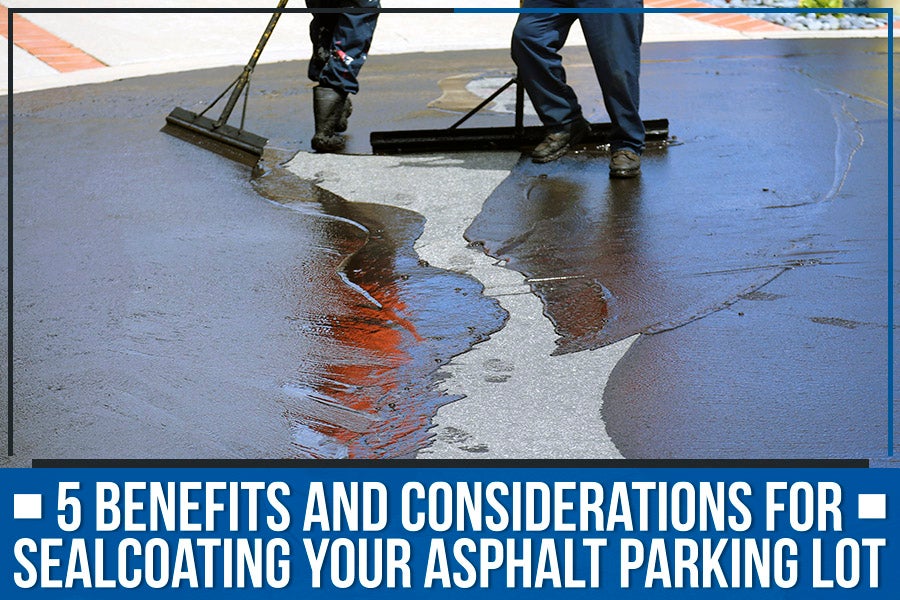
5 Benefits And Considerations For Sealcoating Your Asphalt Parking Lot

5 Benefits And Considerations For Sealcoating Your Asphalt Parking Lot

Every property owner hates it when the asphalt they laid with so much love and consideration loses its glory. That once shiny asphalt parking lot is now faded, dreary, and possibly cracked in more places than you can imagine, and it will eventually start turning off your customers! This is where sealcoating comes in. Not only is this protective layering method a cheaper alternative to laying your asphalt anew, but it also saves you precious time and resources. Keep reading to learn about the various benefits of sealcoating your asphalt lot. 5 Benefits of Sealcoating Your Asphalt Parking Lot 1. It Saves You Money! Sealcoating your asphalt will save you a lot of money over time. This protective layer will protect your asphalt lot from long-term damages, which could result in costly repairs and renovations. 2. Makes Your Pavement Look Good as New! No matter the kind of sealer you have picked, the process of sealcoating leaves your asphalt looking almost as good as new. You will cherish the brand-new feeling emanating from your pavement as if you just laid brand new asphalt. 3. Protects Against Wear and Tear Sealcoating will safeguard your pavement from the elements – including UV rays, oil spills, etc. - and thus wear and tear. Whether you drive a heavy vehicle like a truck or a compact convertible, your asphalt lot will likely undergo some depletion. However, a sealer may help slow down the process of asphalt erosion over time. 4. Boost Your Pavement’s Life Span Due to its protective qualities, sealcoating will extend the life span of your asphalt parking lot. The process is no different from saving it from depletion, which contributes to prolonging the life expectancy of your pavement. 5. Protects Against Water Penetration Water is asphalt's worst enemy. If it seeps into your parking lot surface, it will eventually start destroying your pavement from within due to the freeze-thaw cycle. Sealcoating protects your asphalt from water penetration. Some Important Considerations Before you schedule sealcoating for your pavement, you need to remember the following: Depending on your asphalt layering, the type of sealer may vary. These can range from acrylic sealers, coal tar sealers, asphalt emulsion sealers, and more. Site prep is essential before sealcoating. If dirt or debris is covering your parking lot, it will prevent the sealcoat from adhering to the pavement. Make sure to check the weather. Sealcoating should only be done on warm days and needs at least 24 hours to dry. So, make sure there is no rain expected! As you can see, there are numerous benefits to sealcoating your asphalt parking lot regularly. It not only saves you money and time, but it also enhances the life expectancy and appearance of your asphalt lot. To cater to your sealcoating needs, Bay Country Contractors serving Brandywine, MD, bring their years of experience and team of experts to the table. Let us take care of all your asphalt needs (and more) today! Get in touch for a free quotation!

Contact Us

Fill out this form below and we'll contact you shortly
*Required Fields